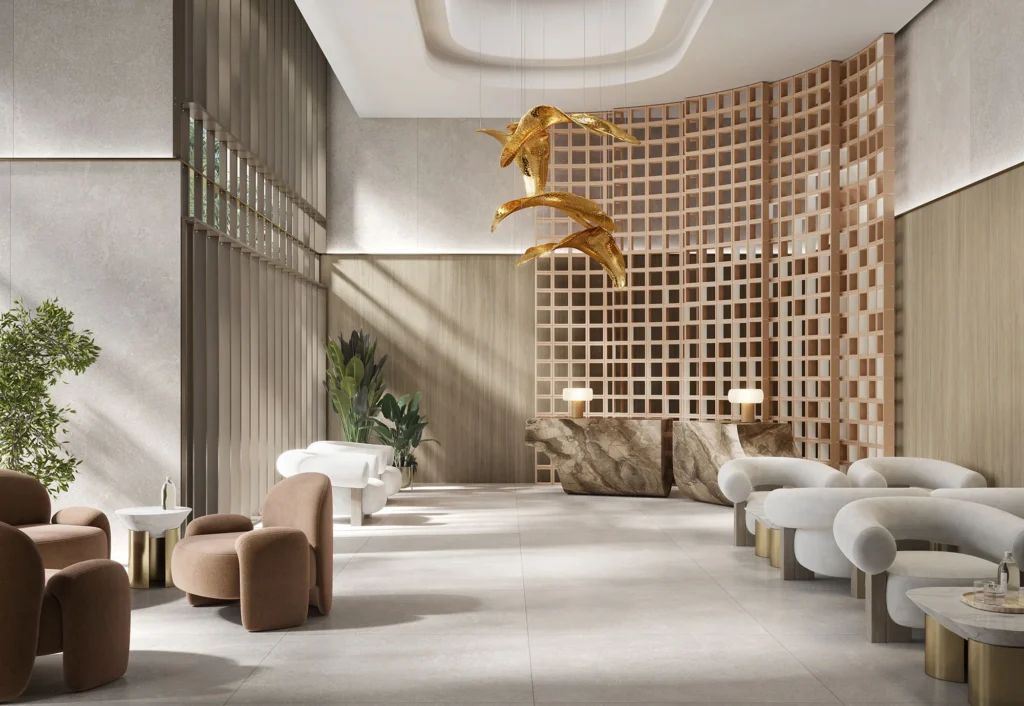
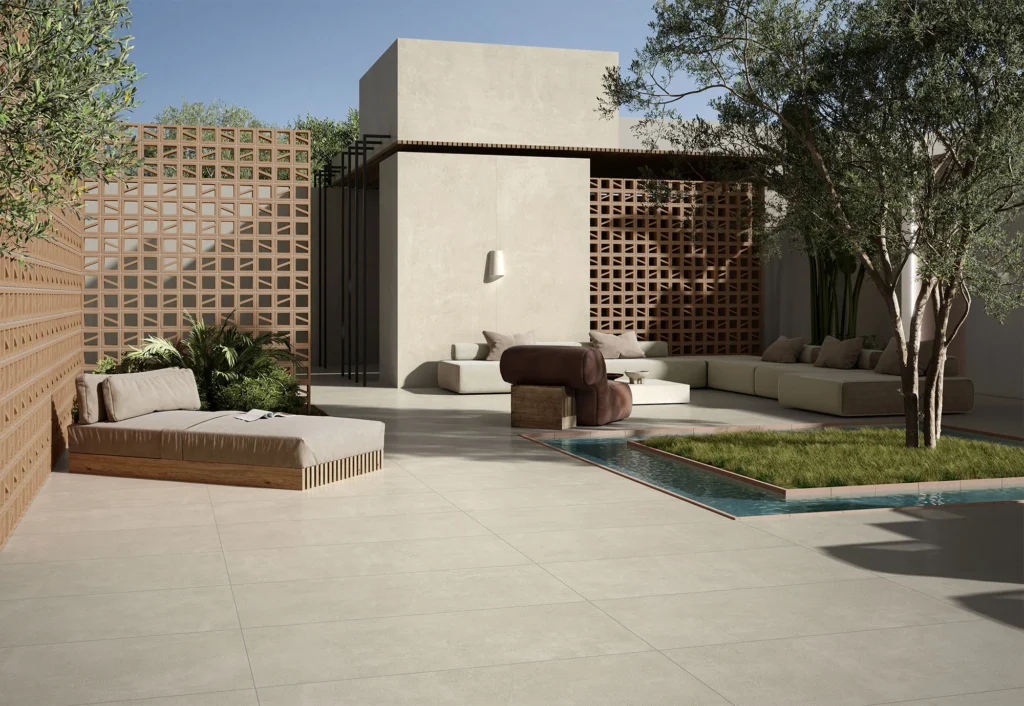
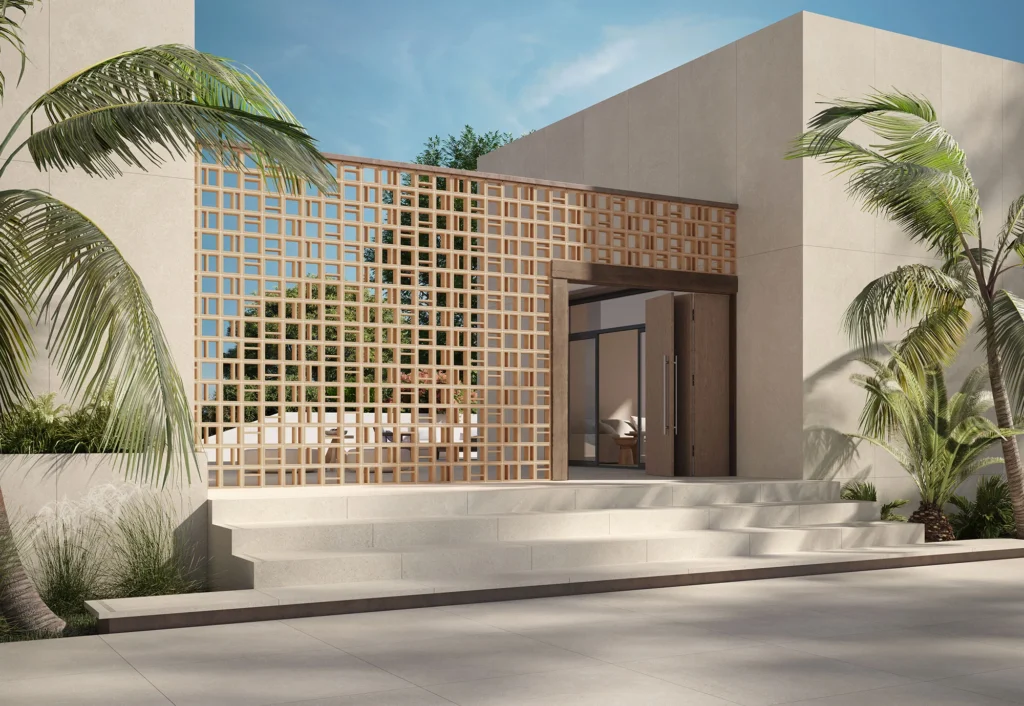
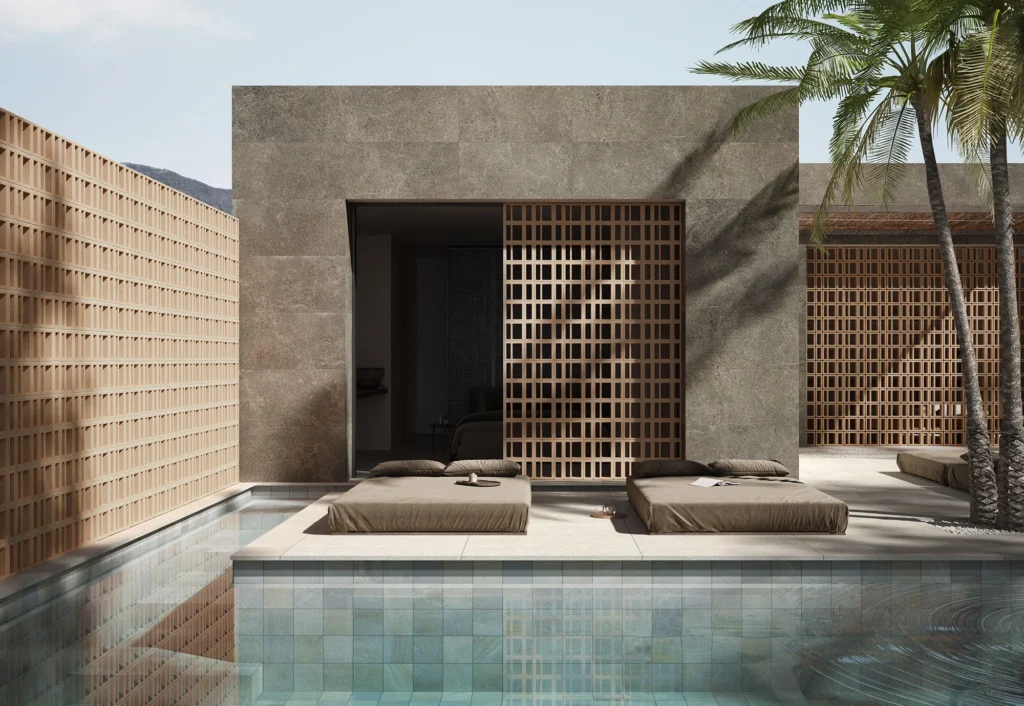
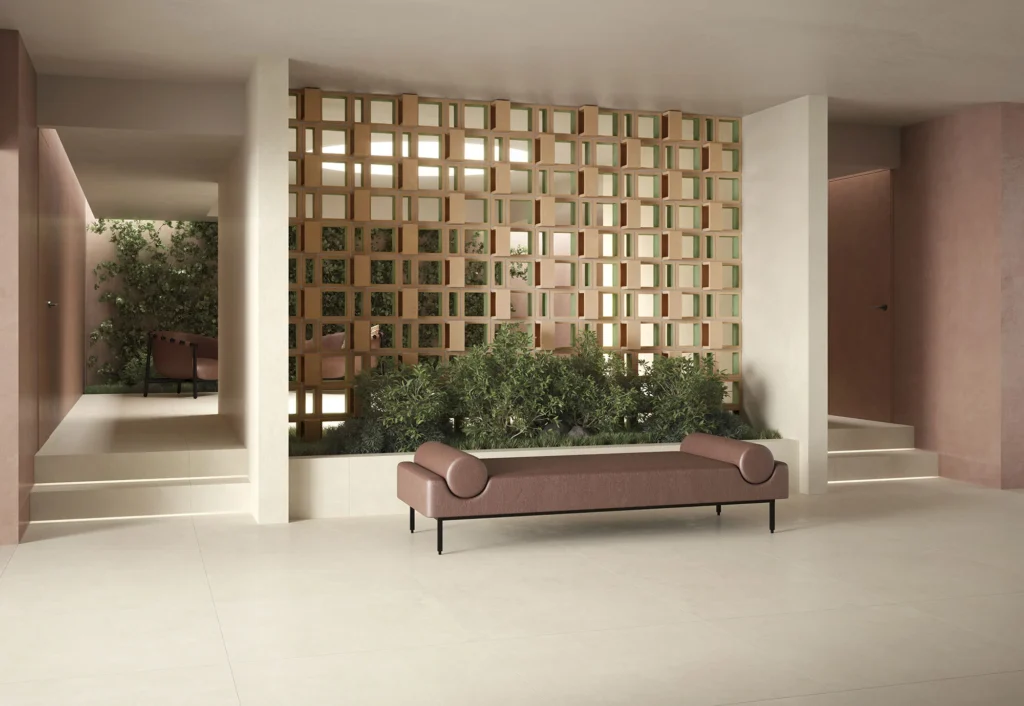
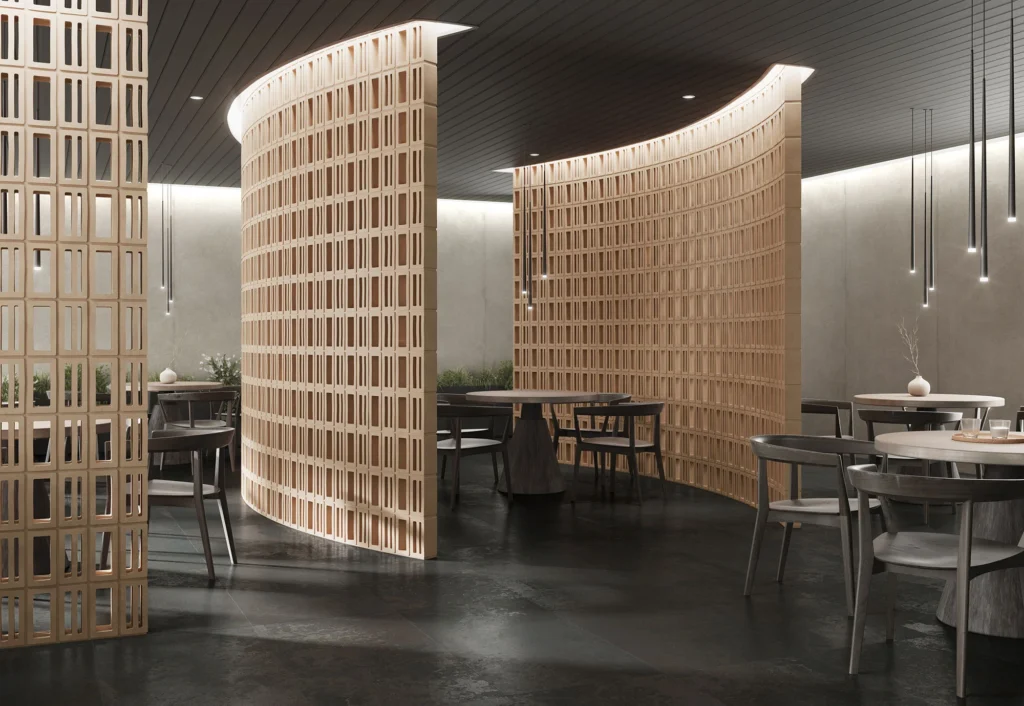
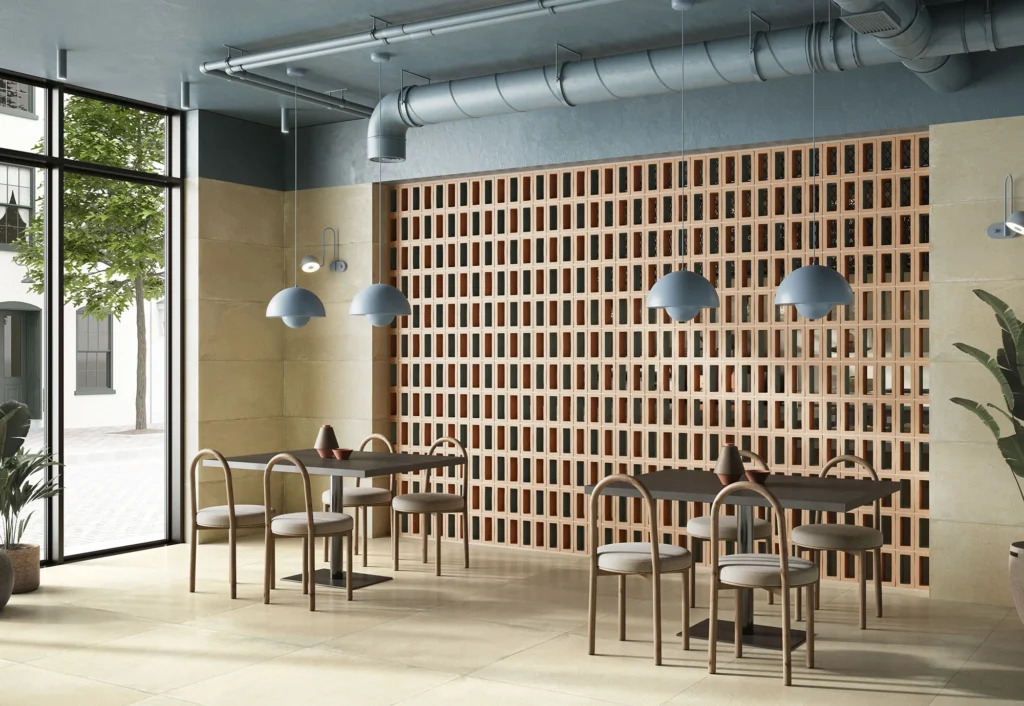
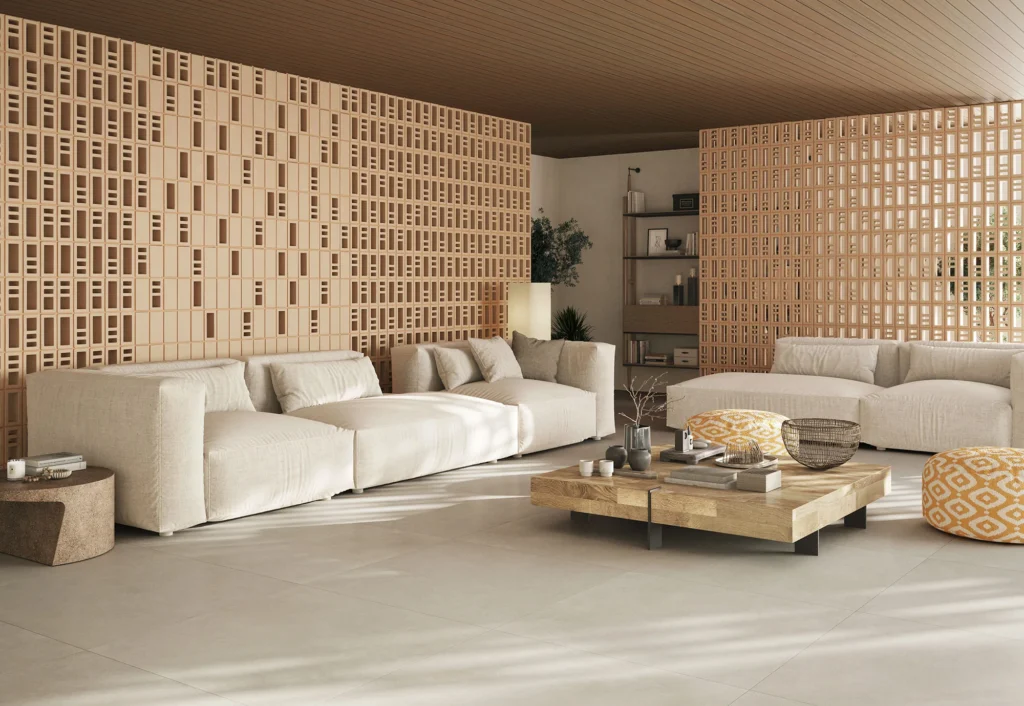
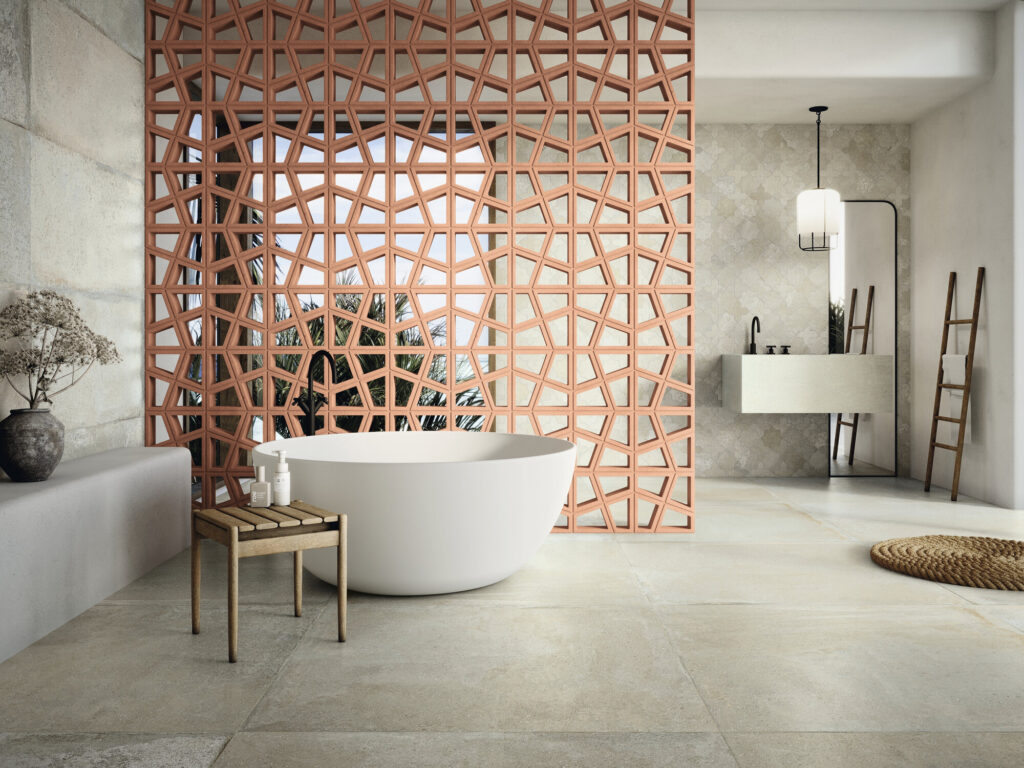
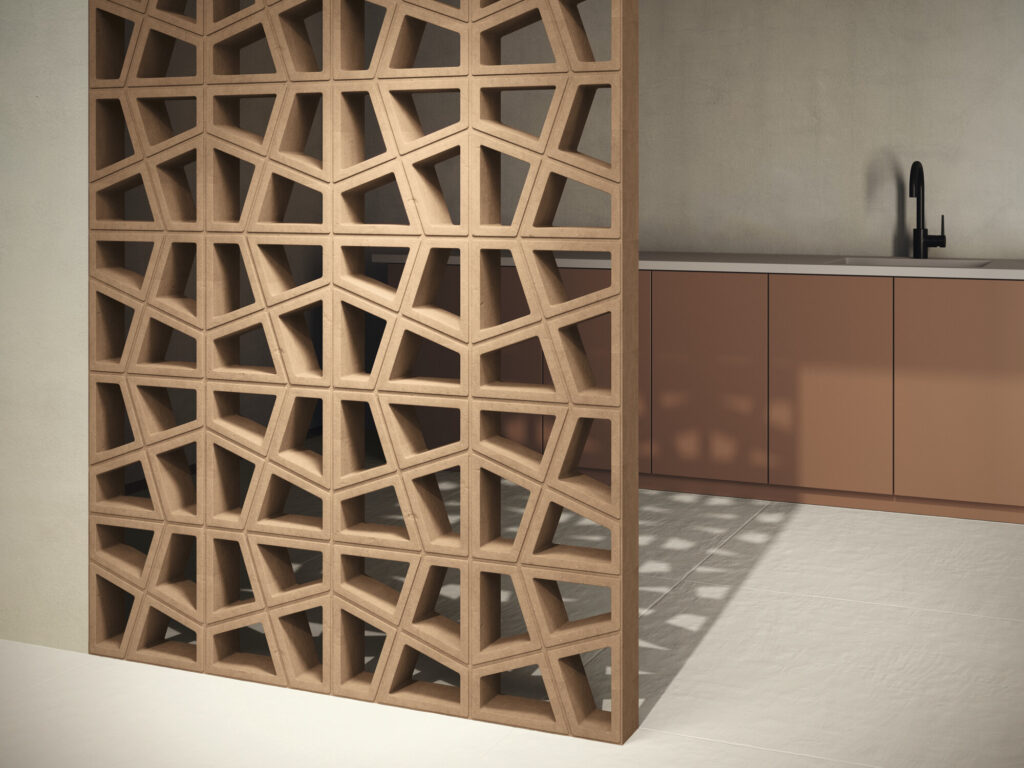
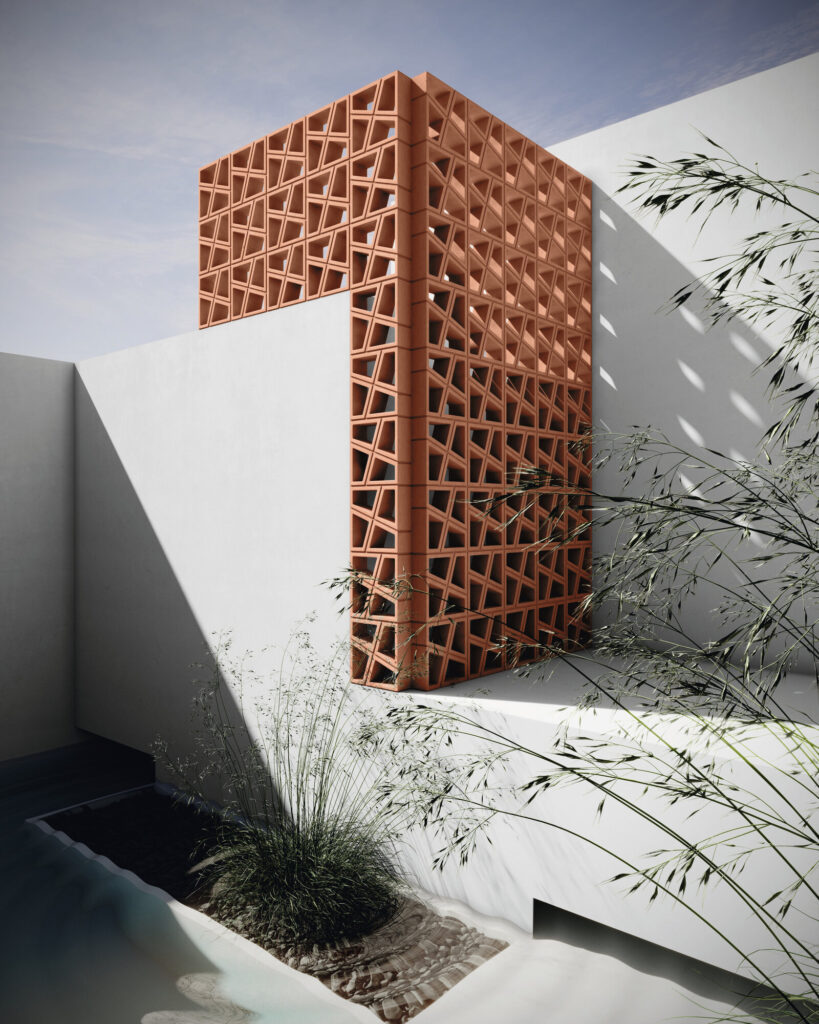
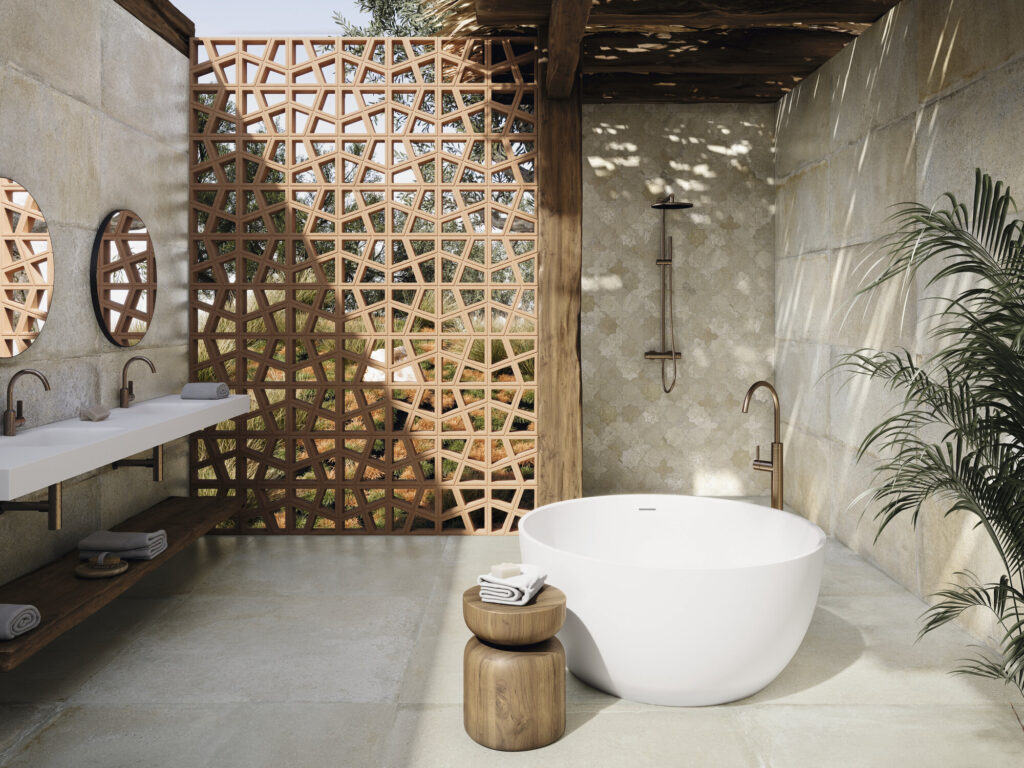
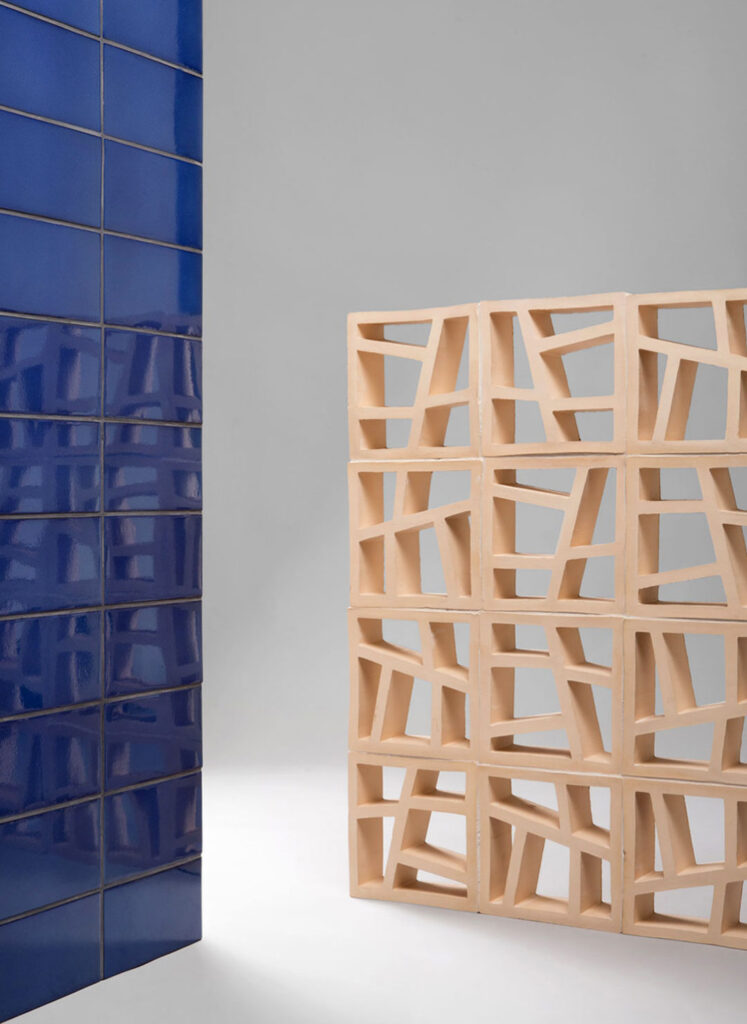
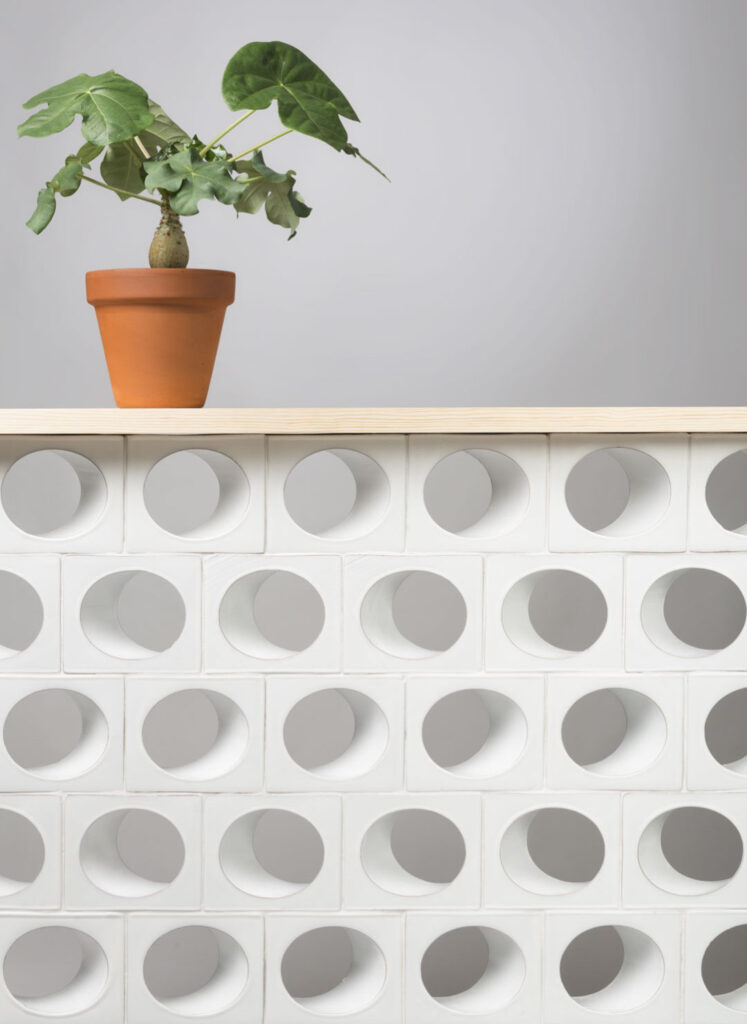
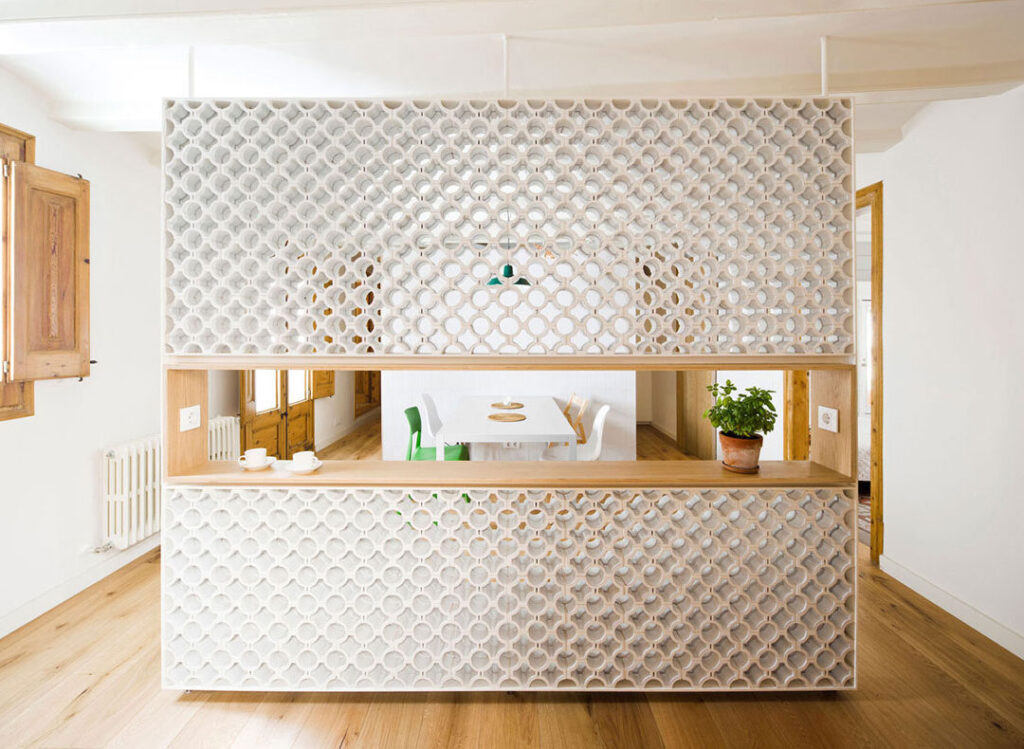
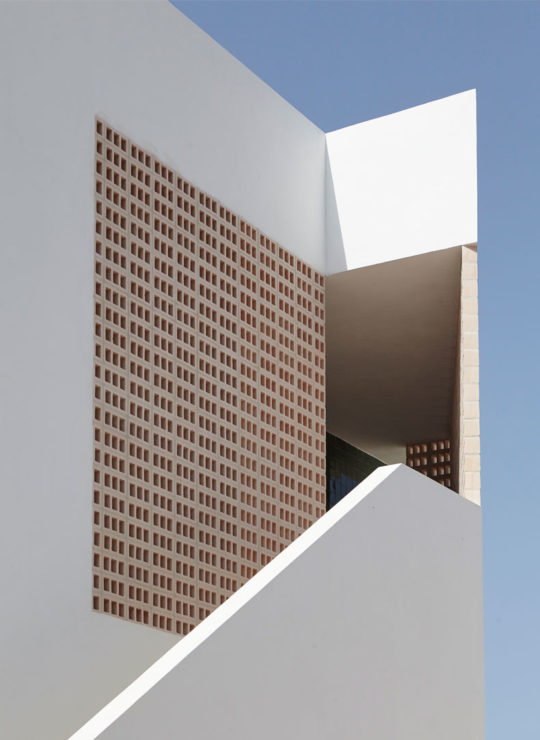
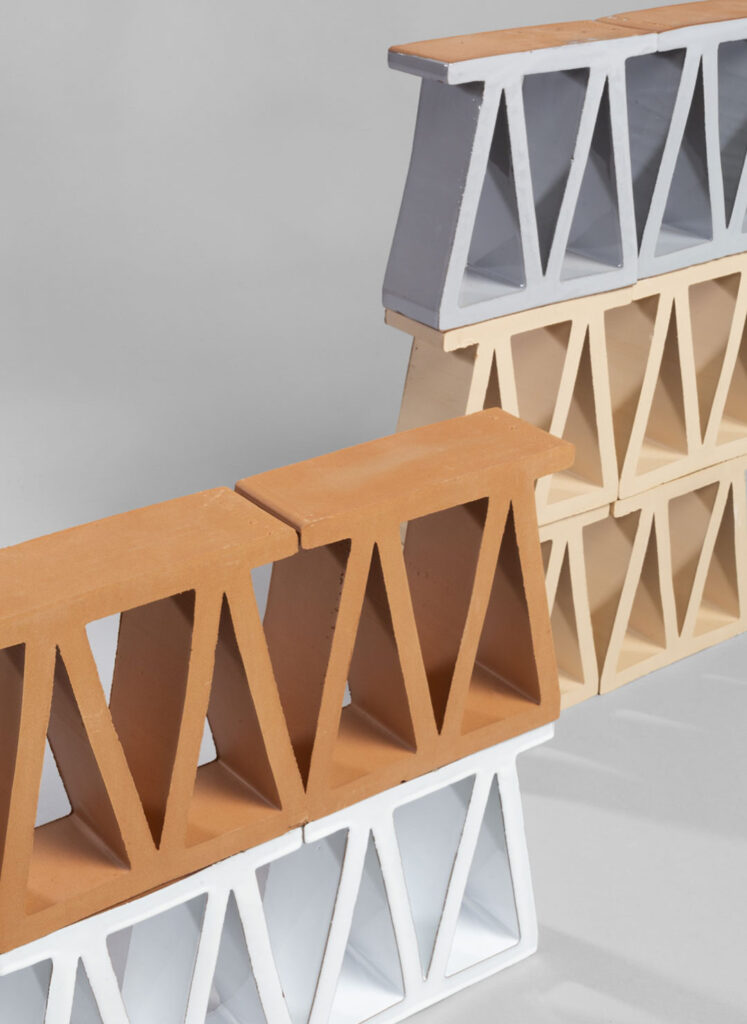
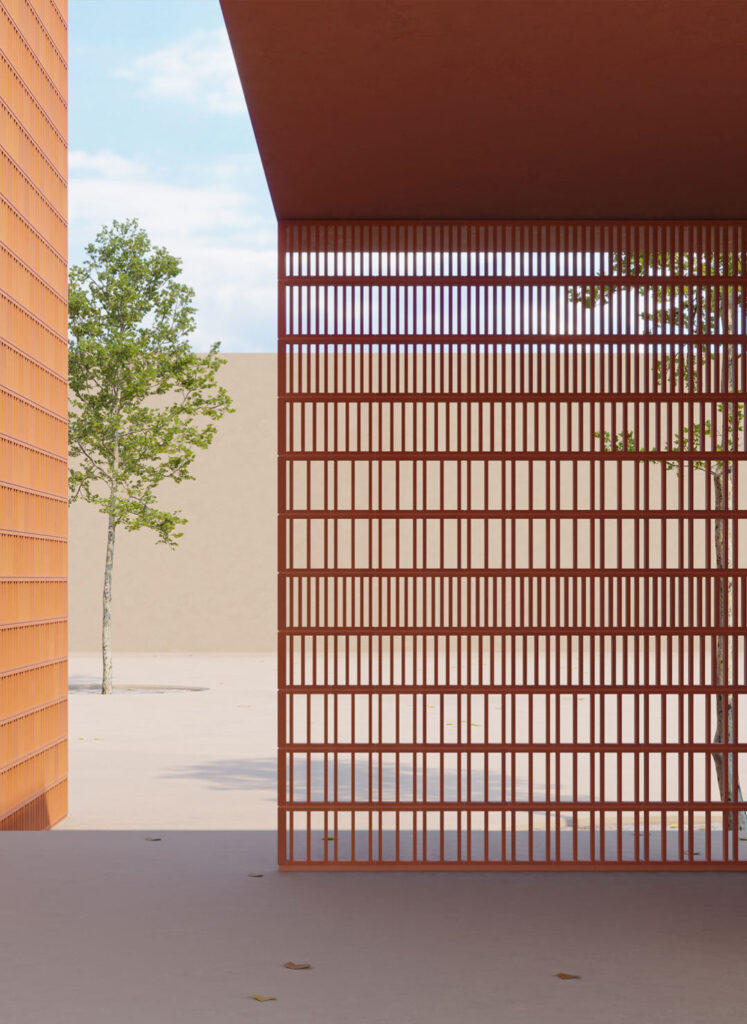
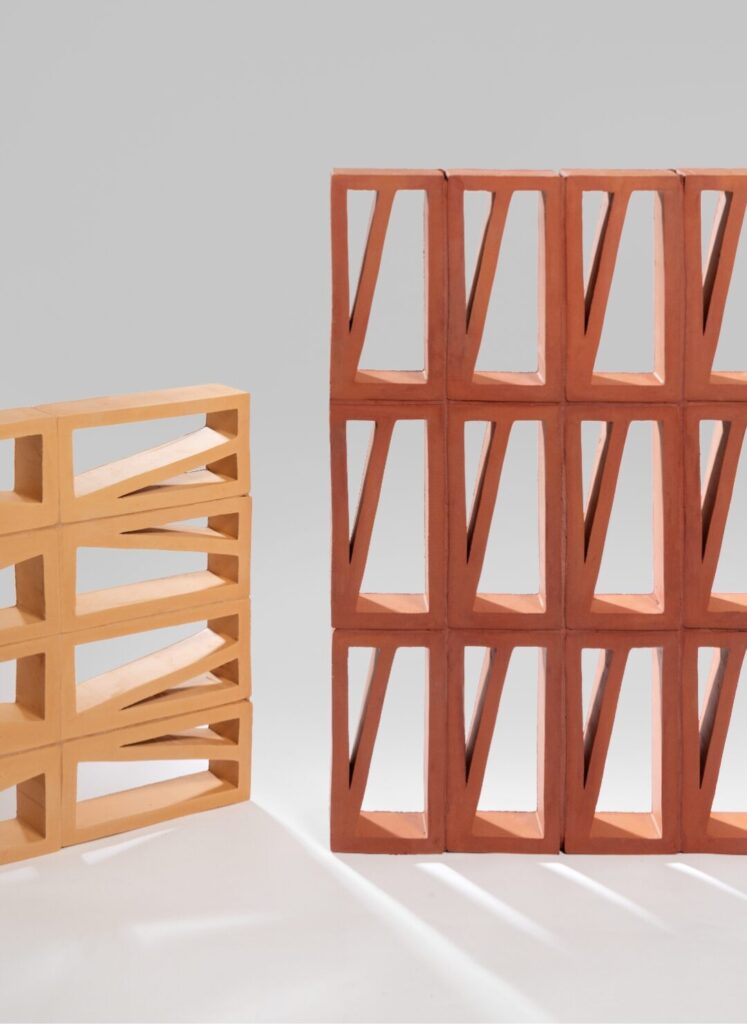
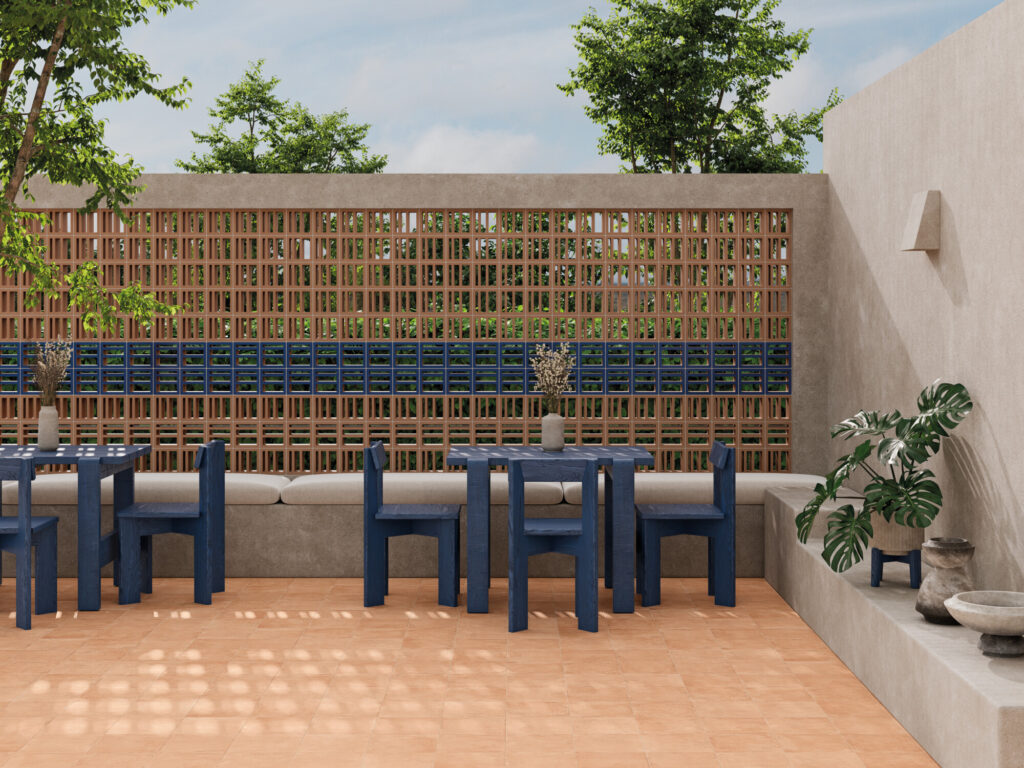
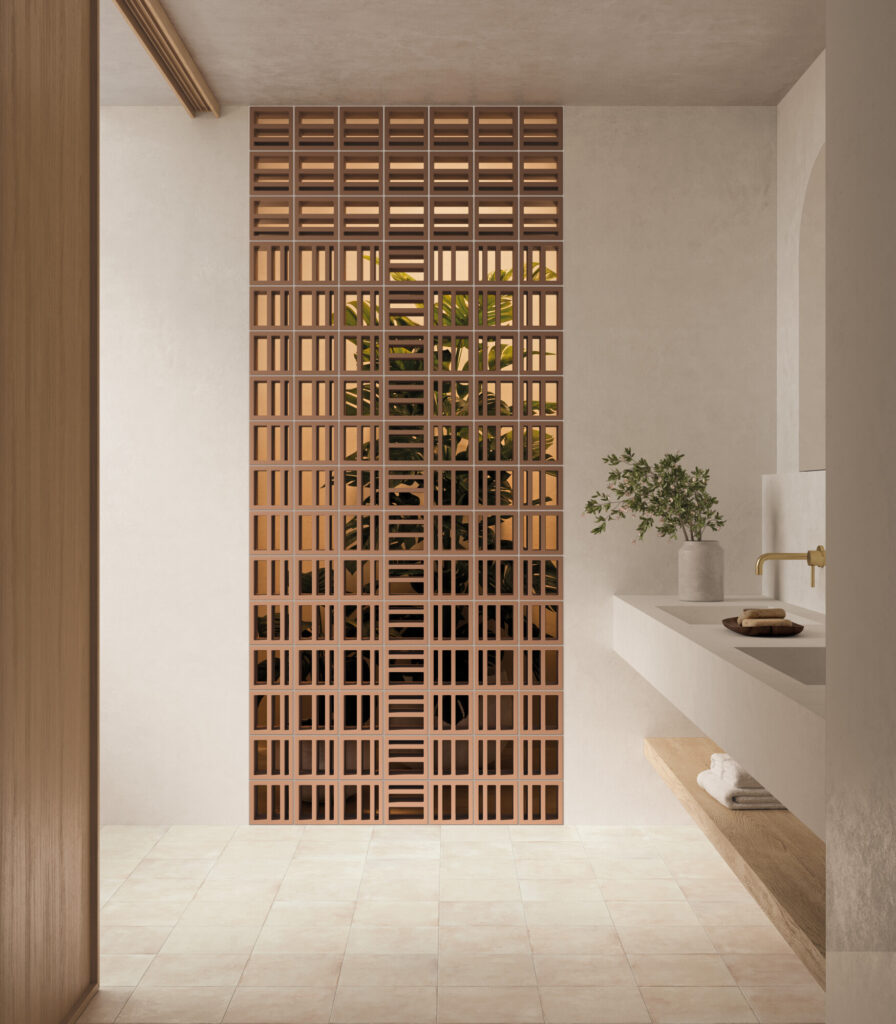
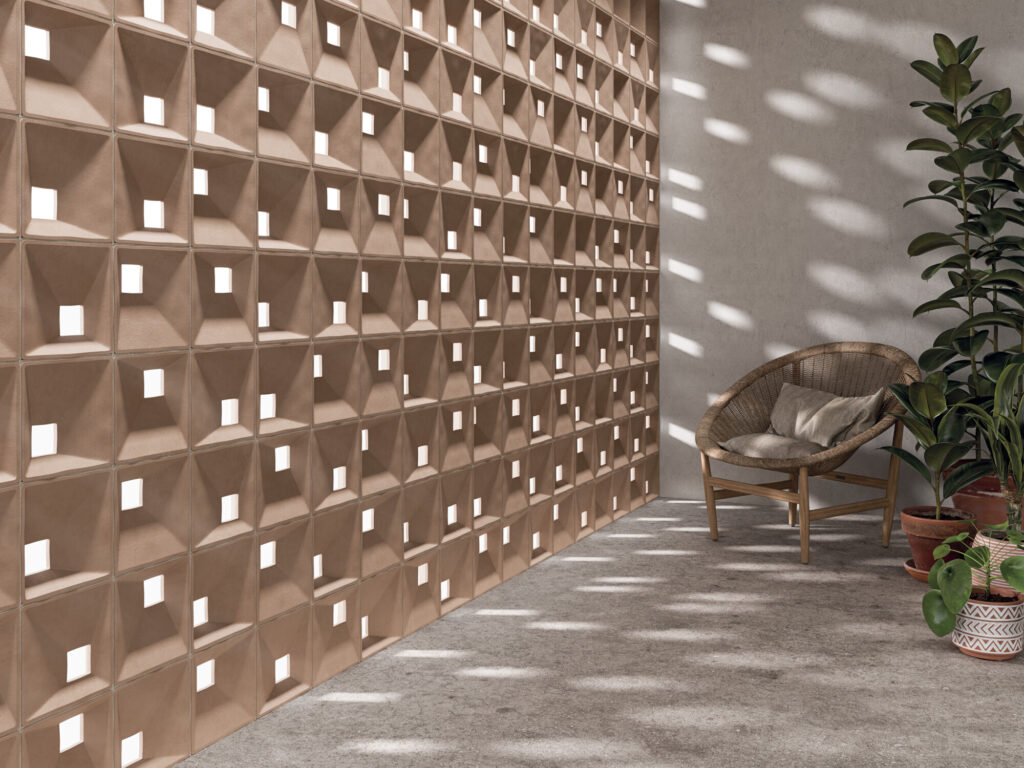
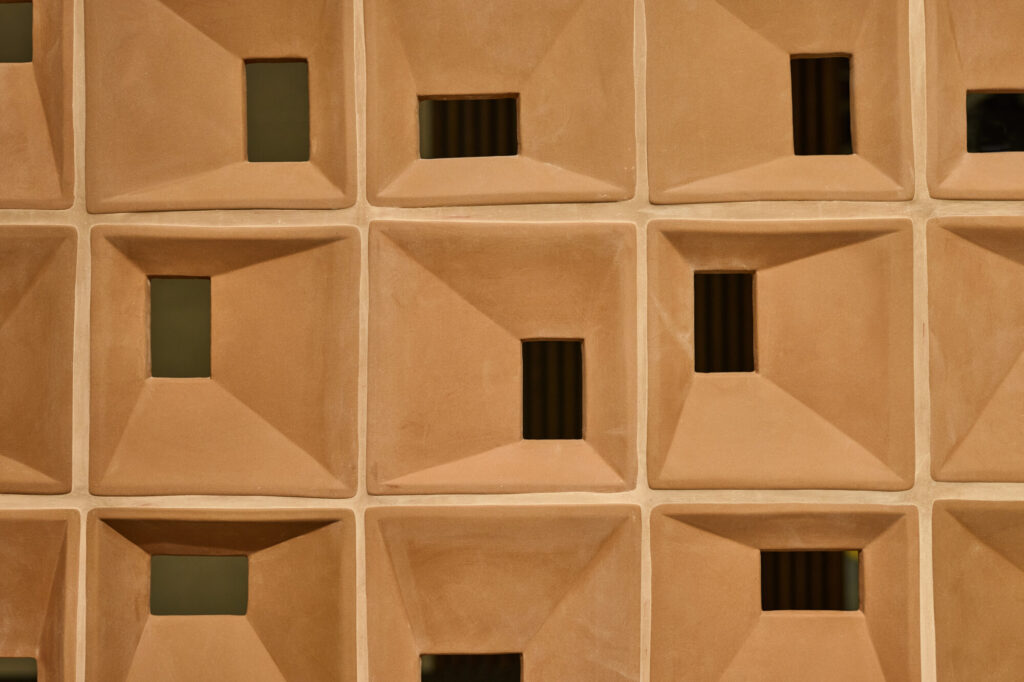
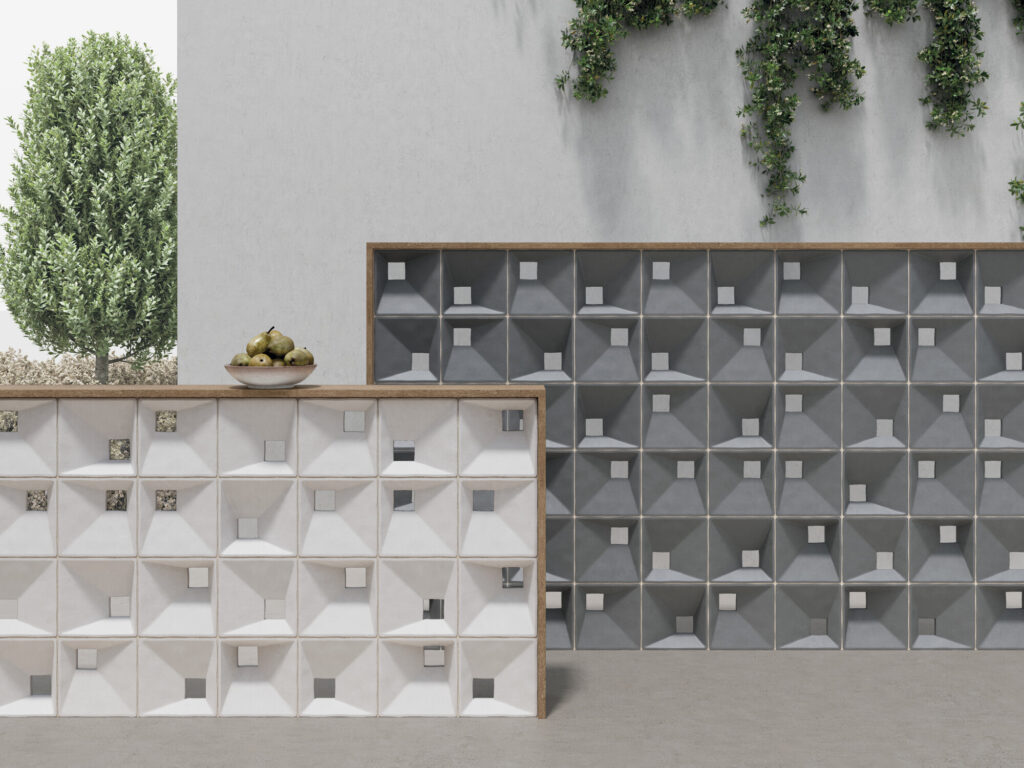
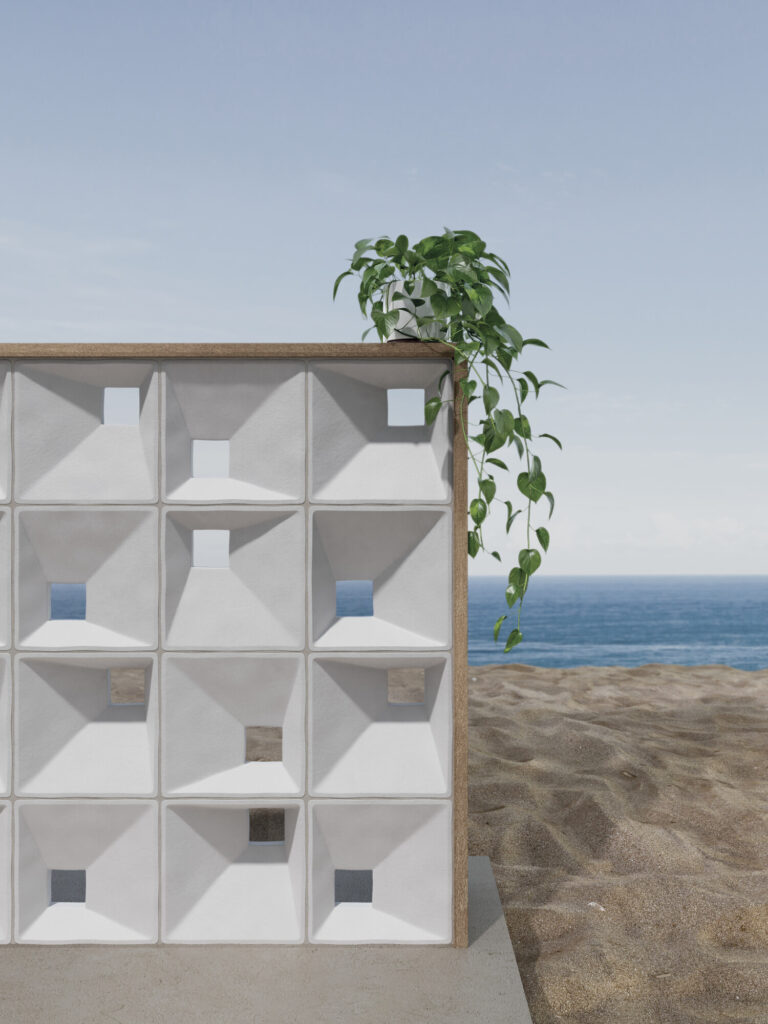
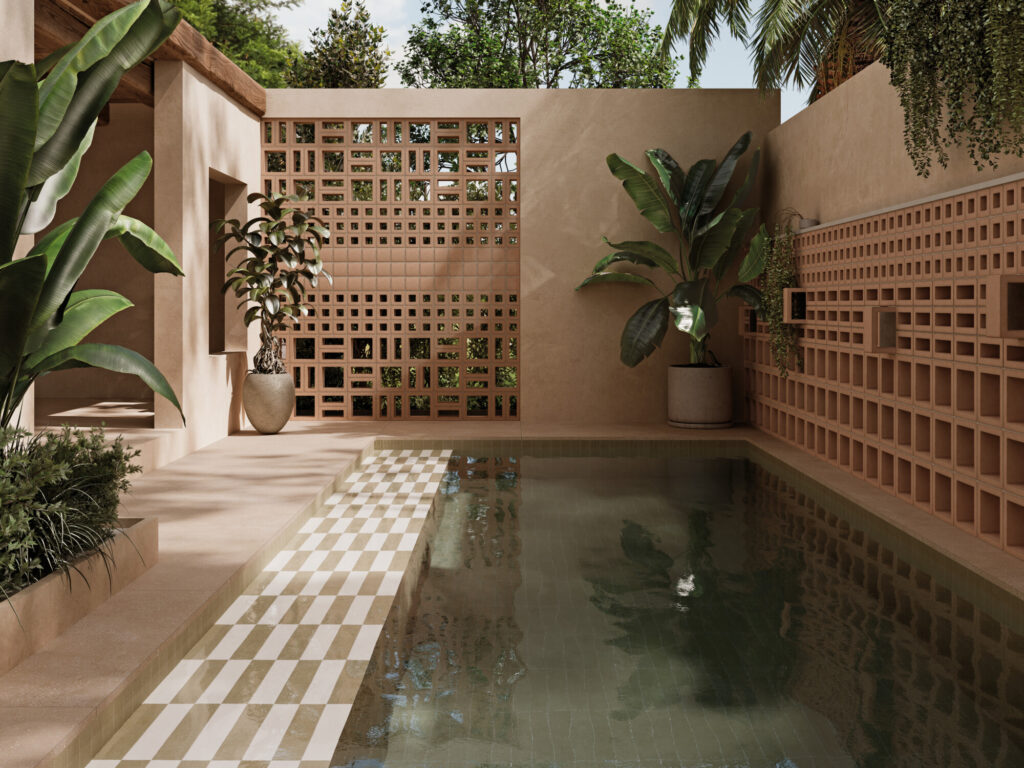
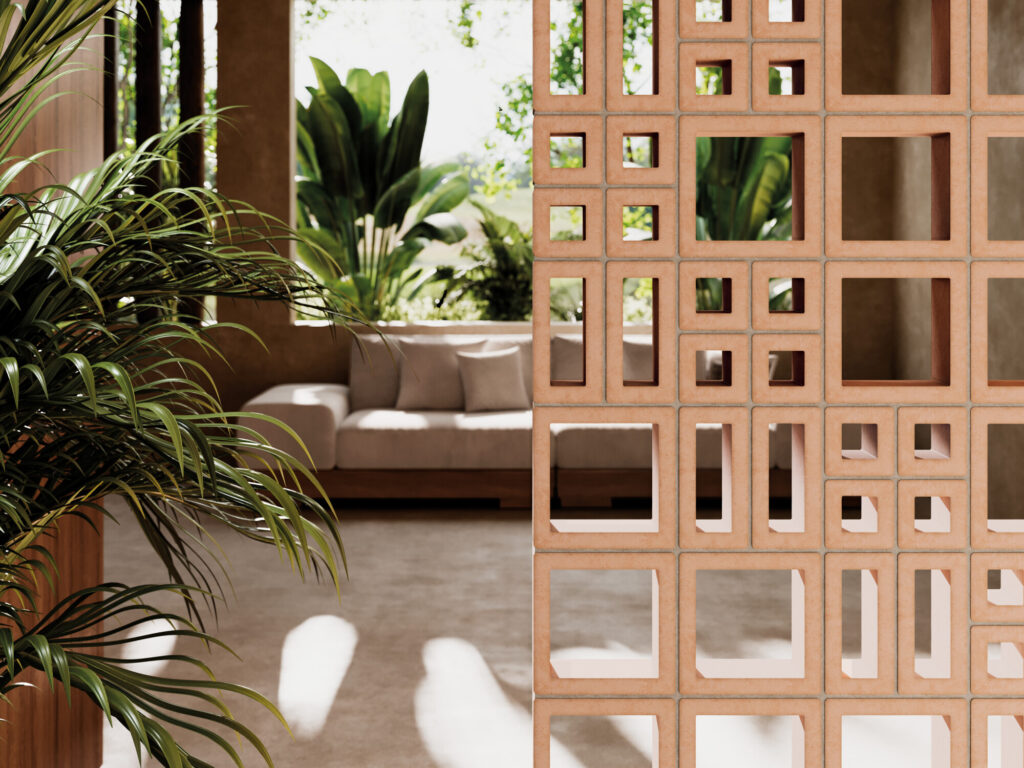
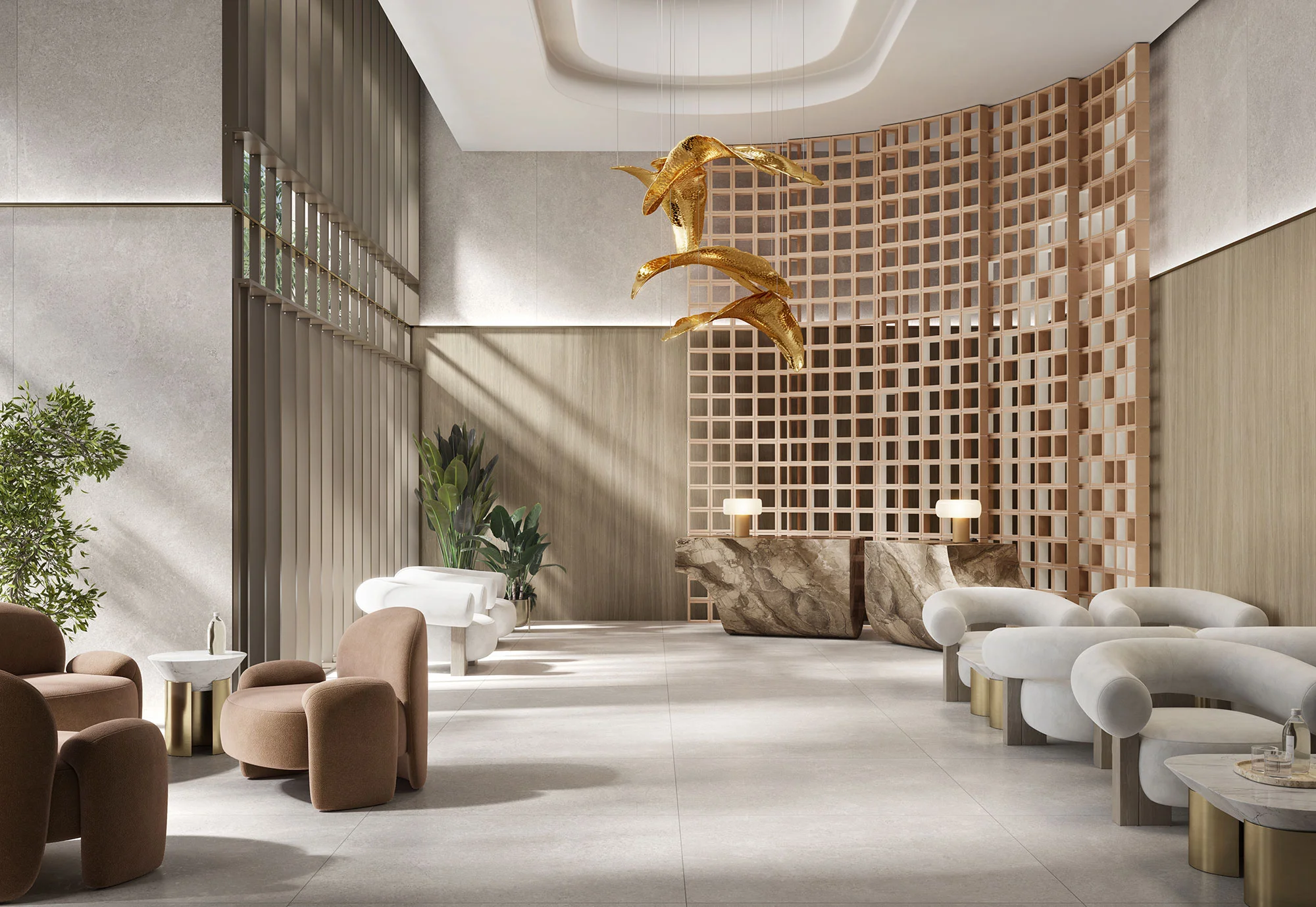
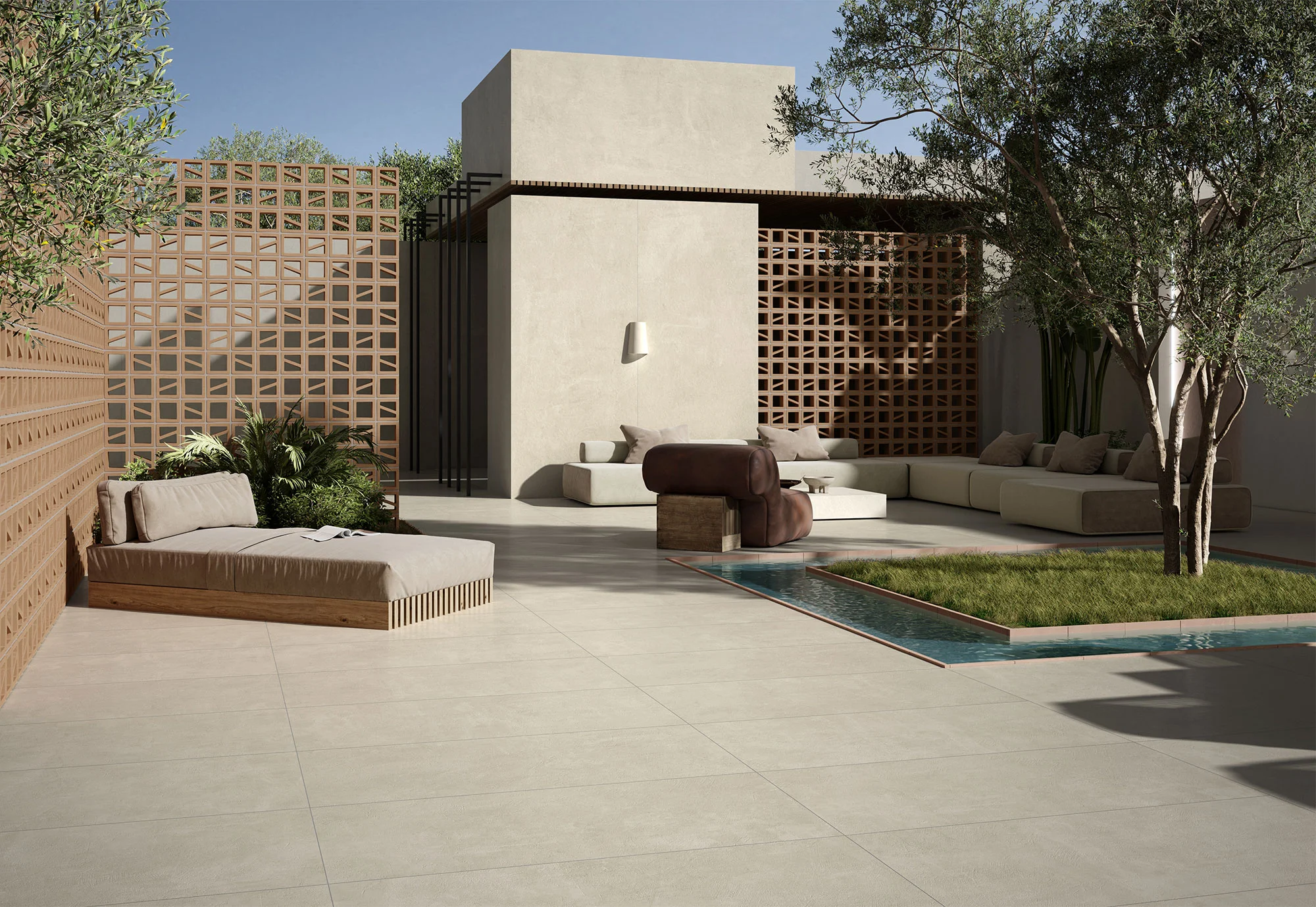
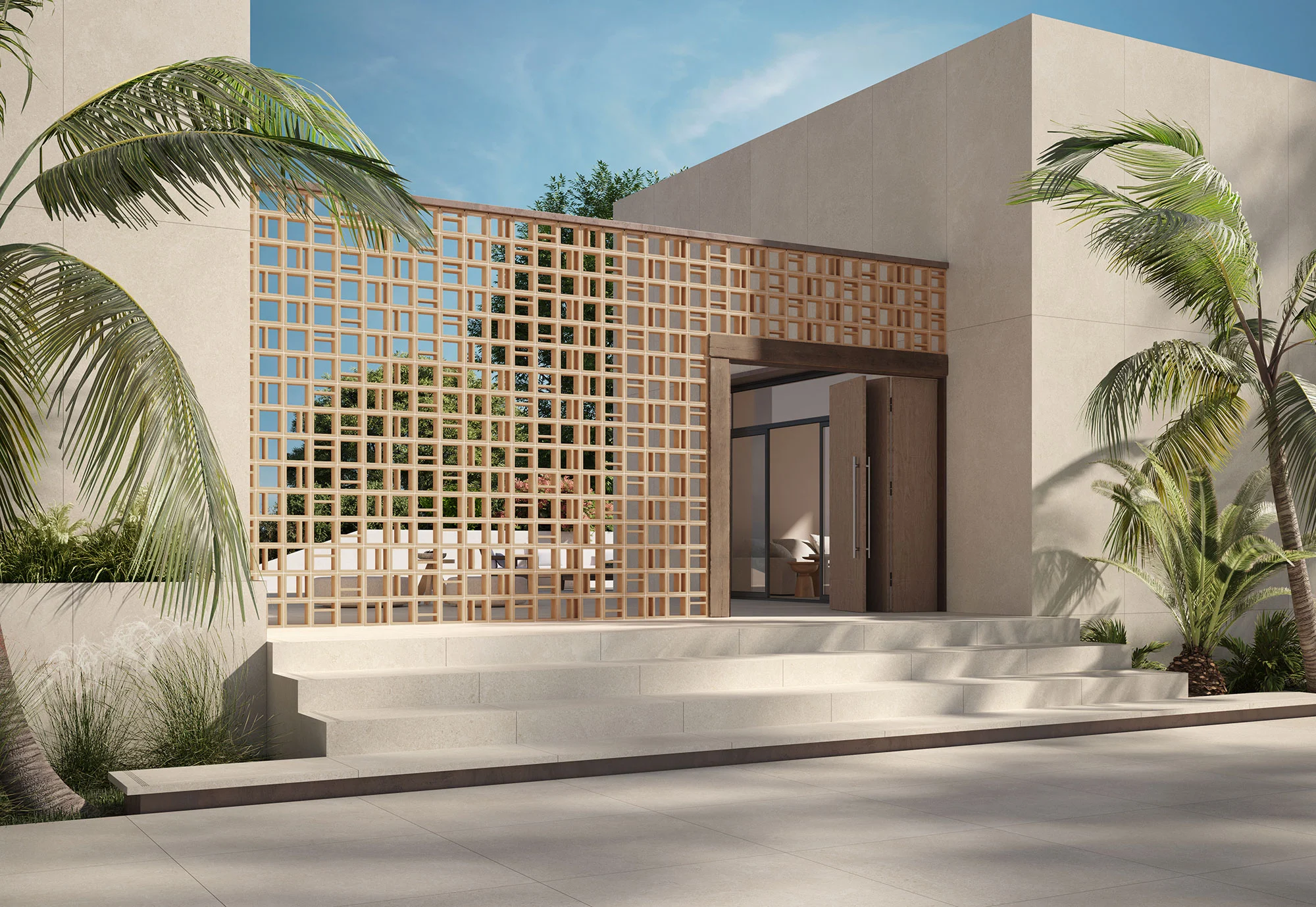
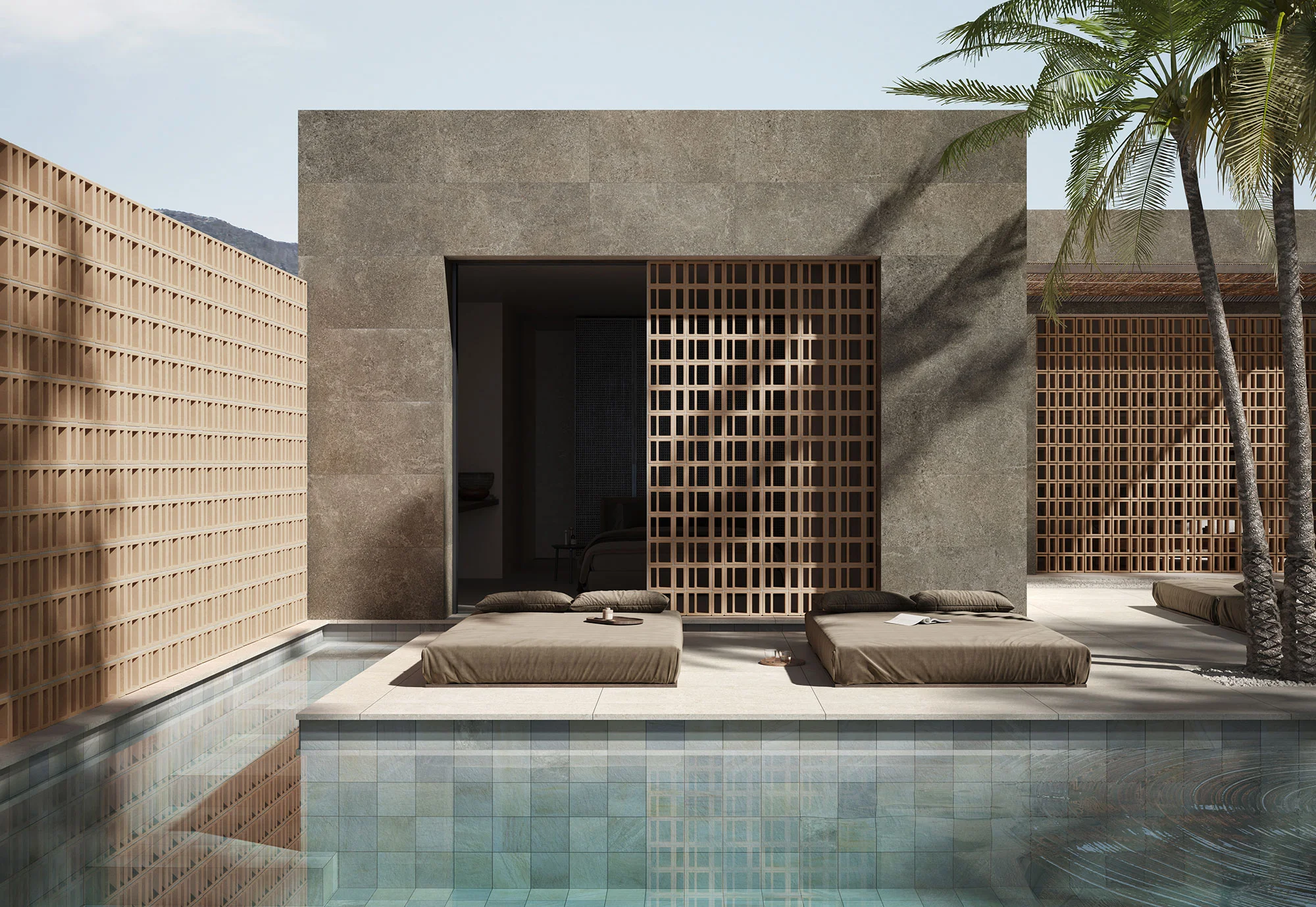
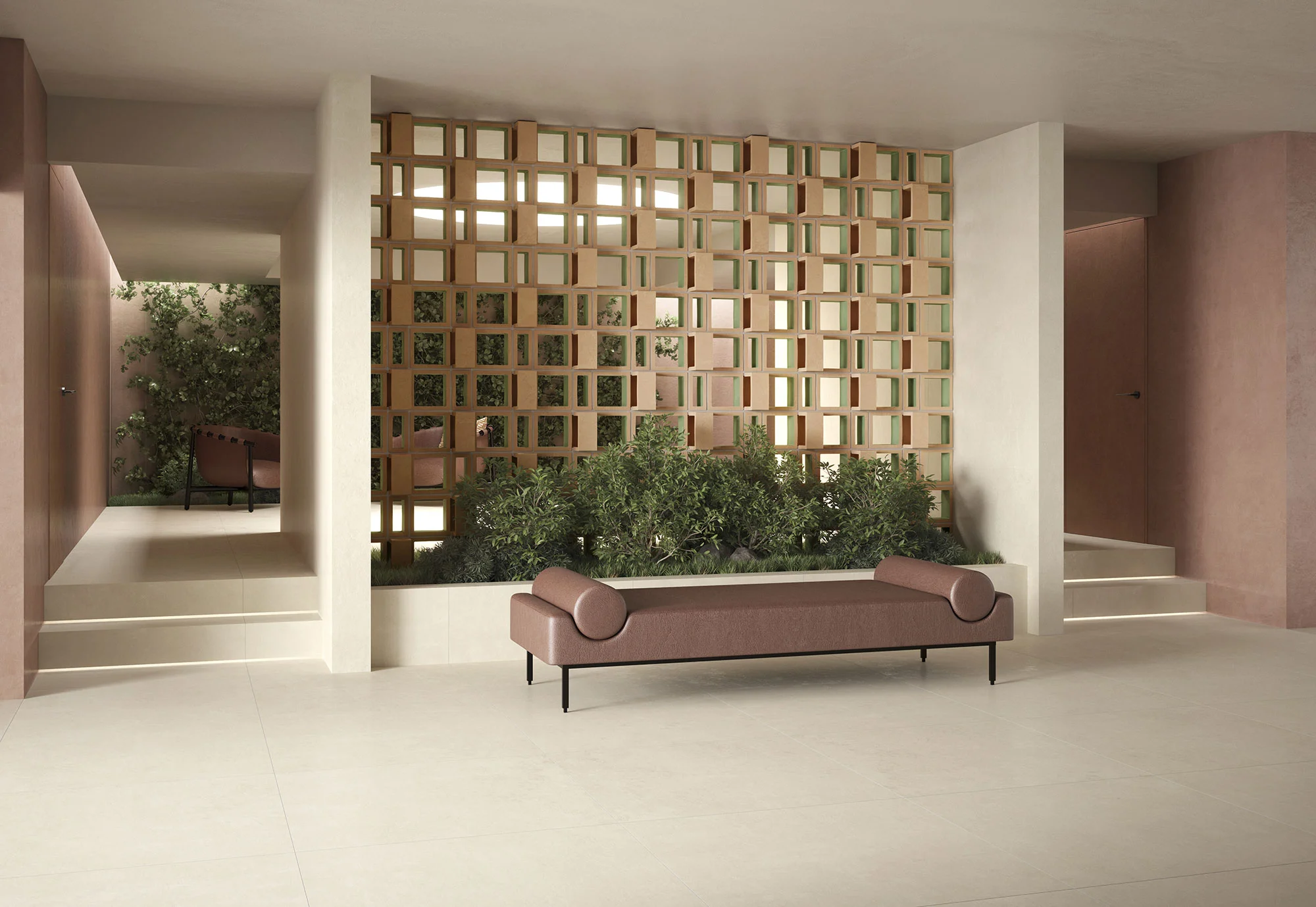
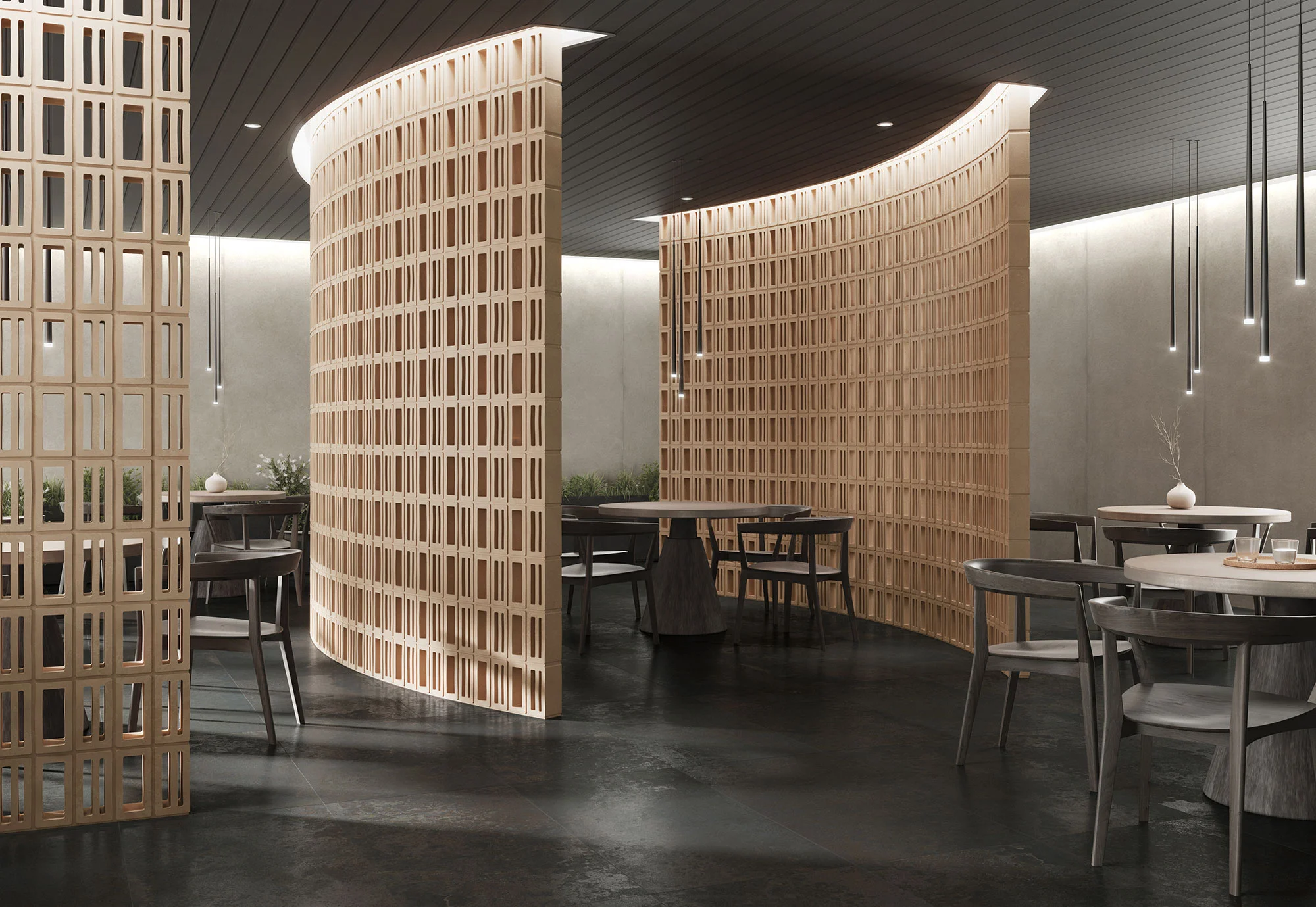
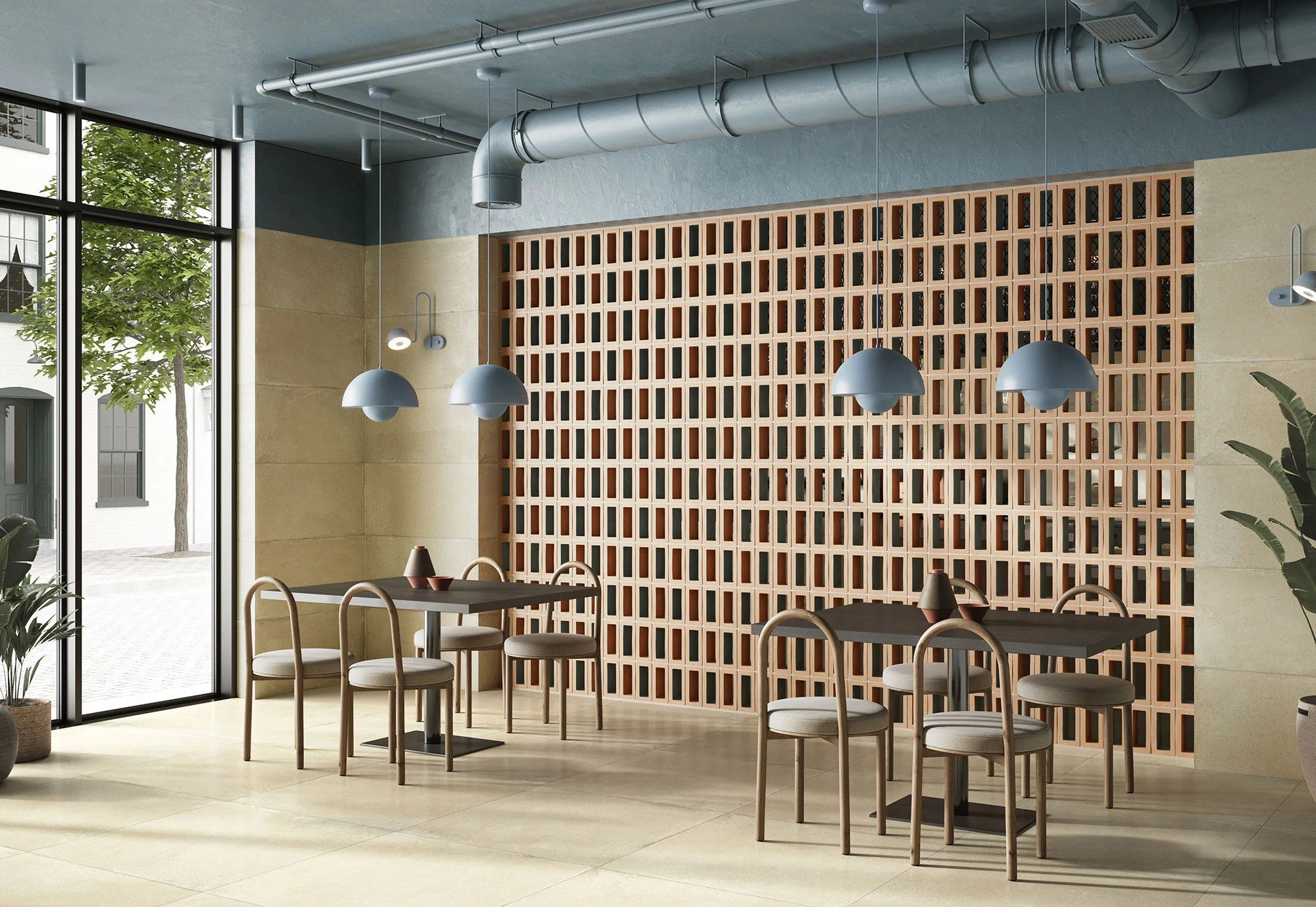
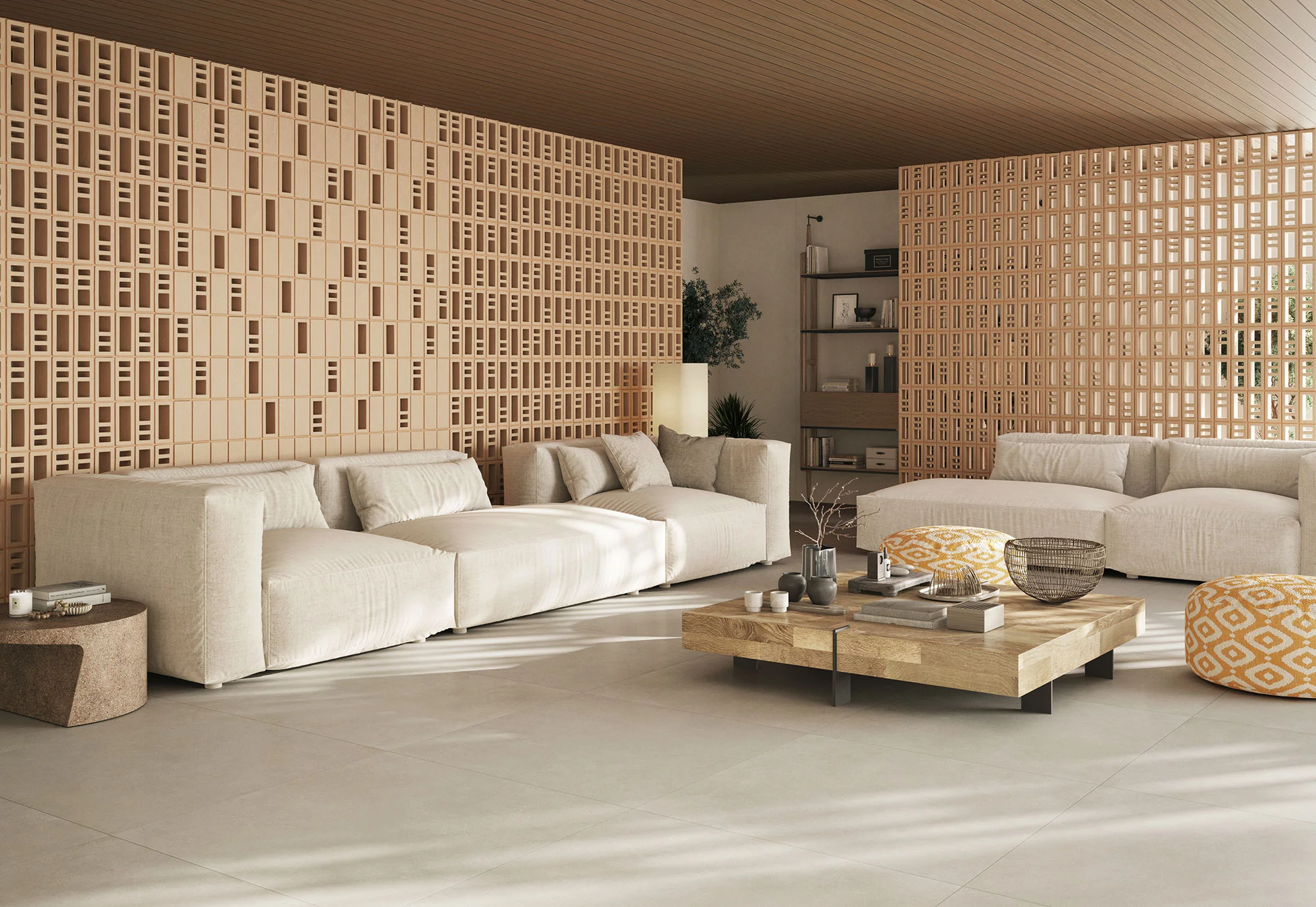
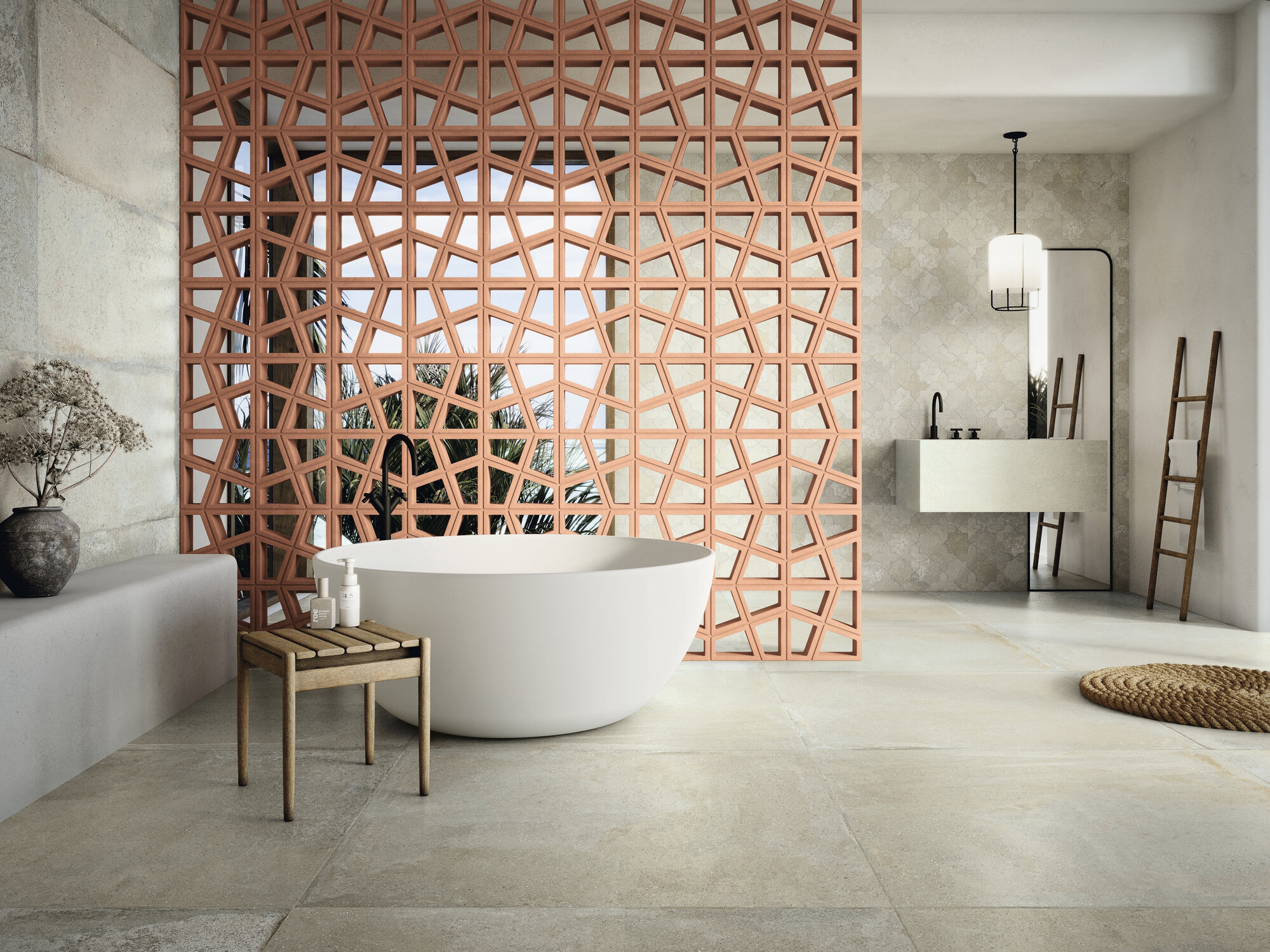
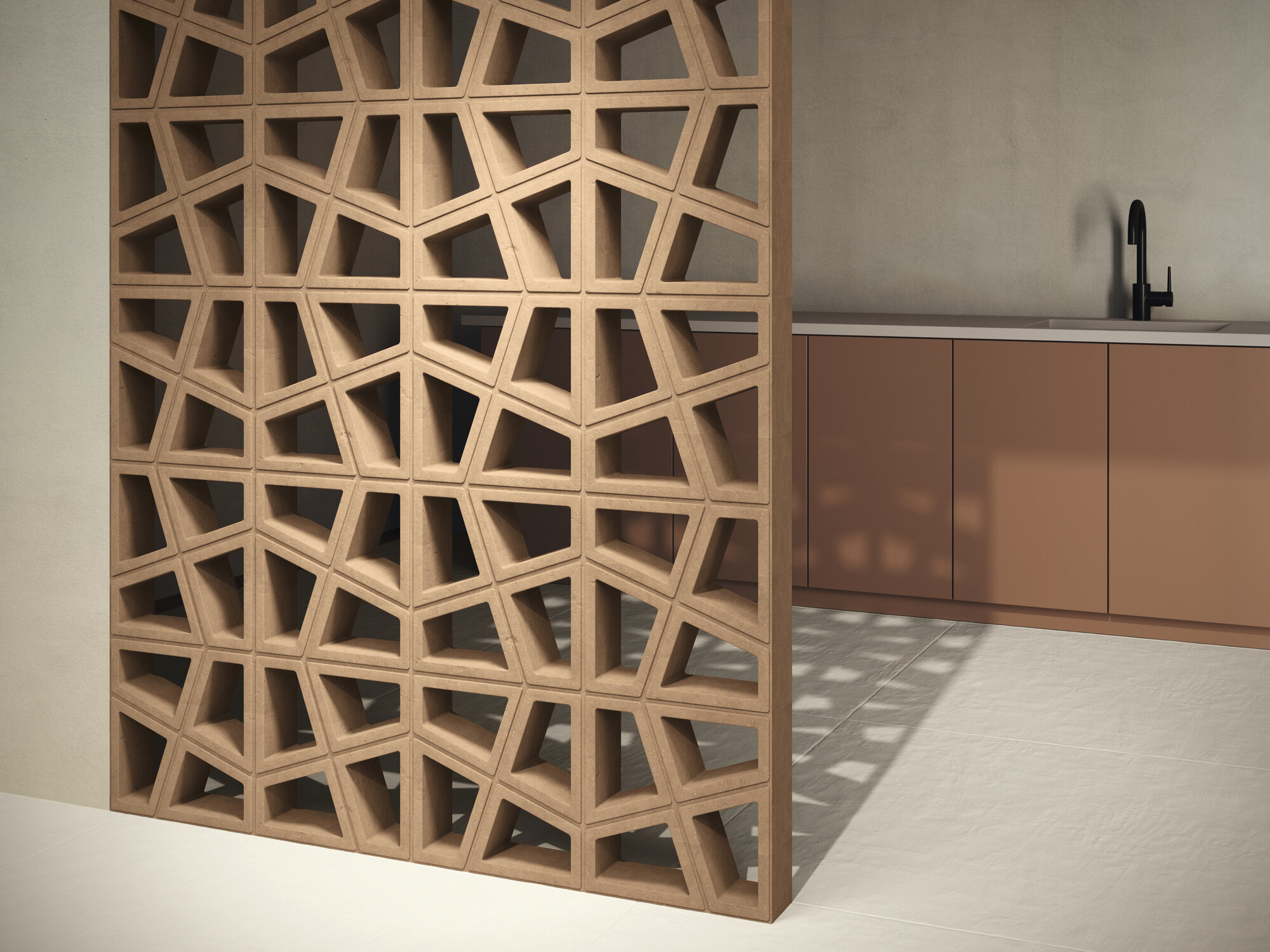
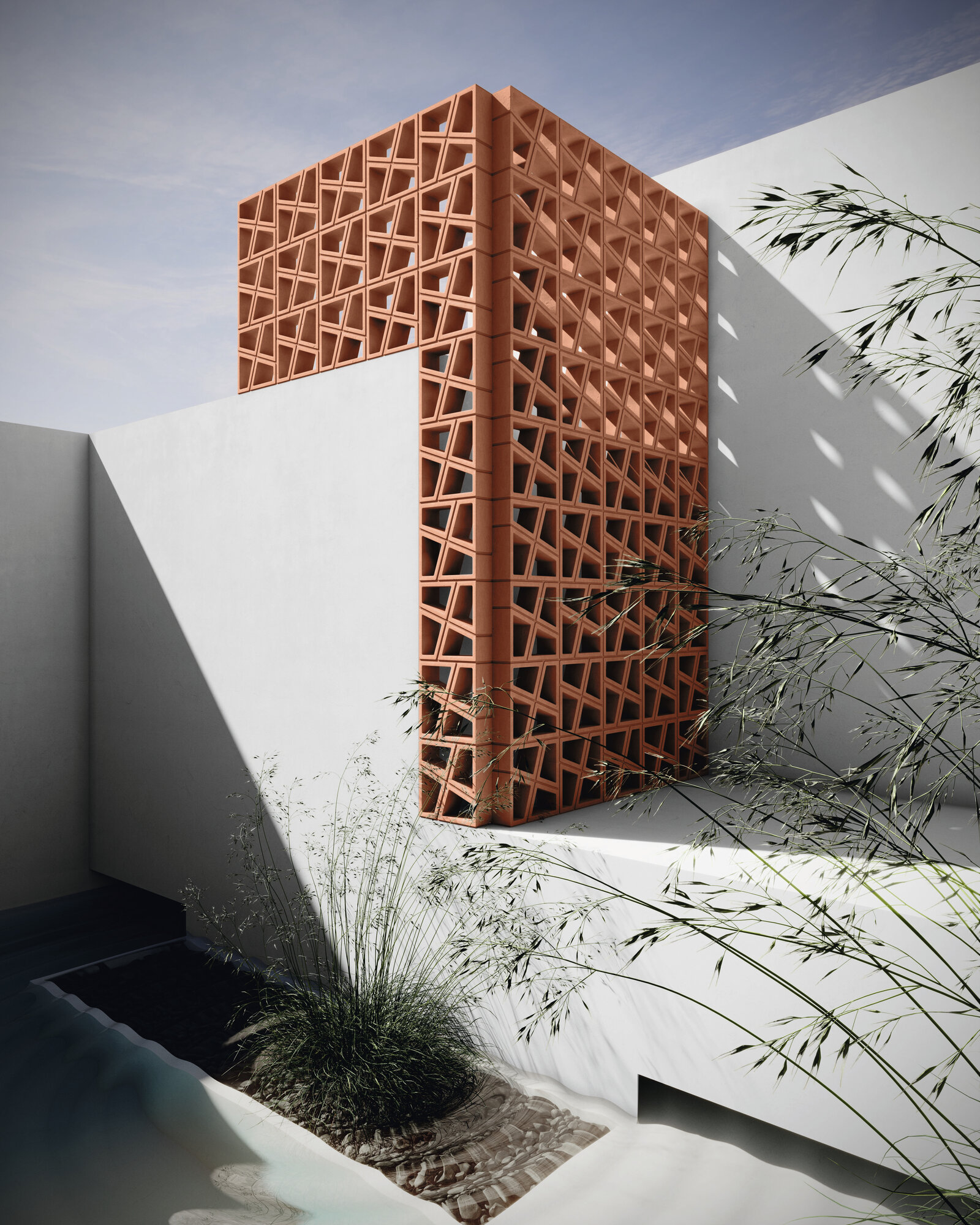
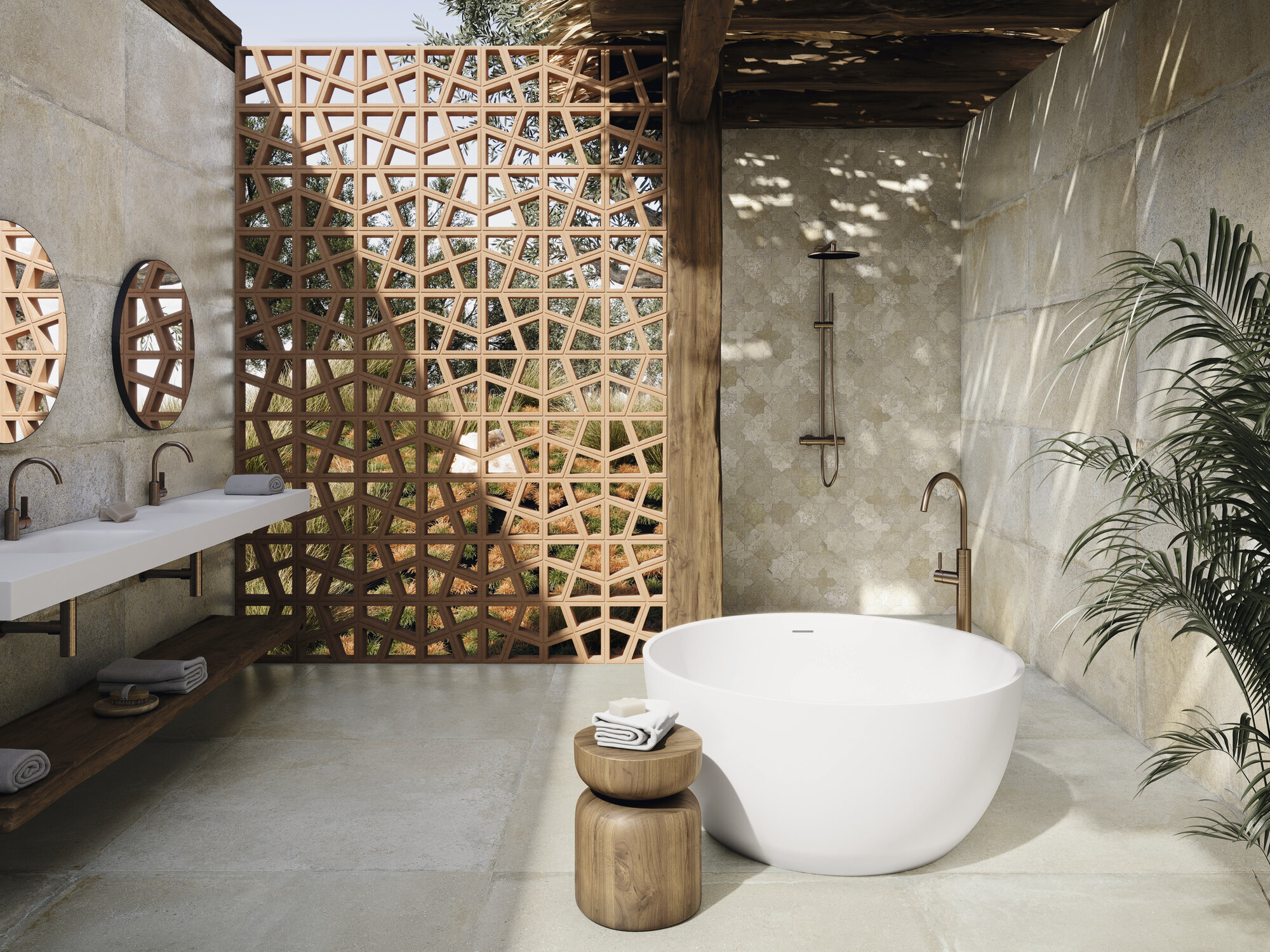
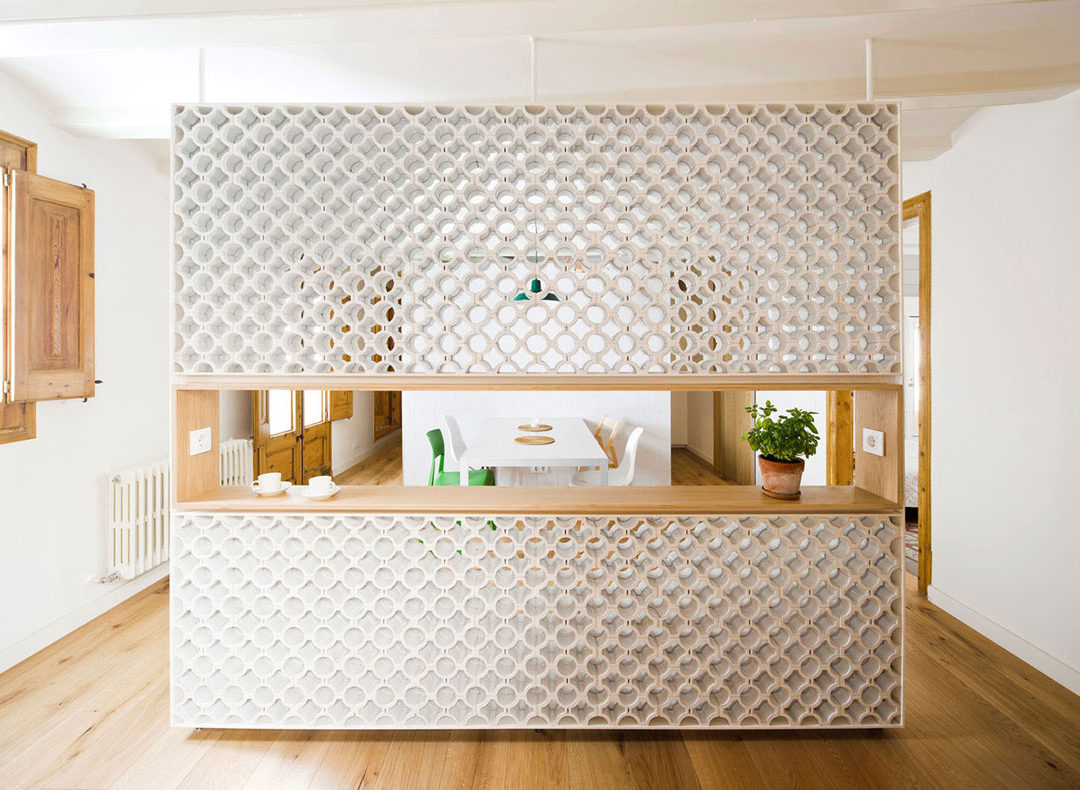
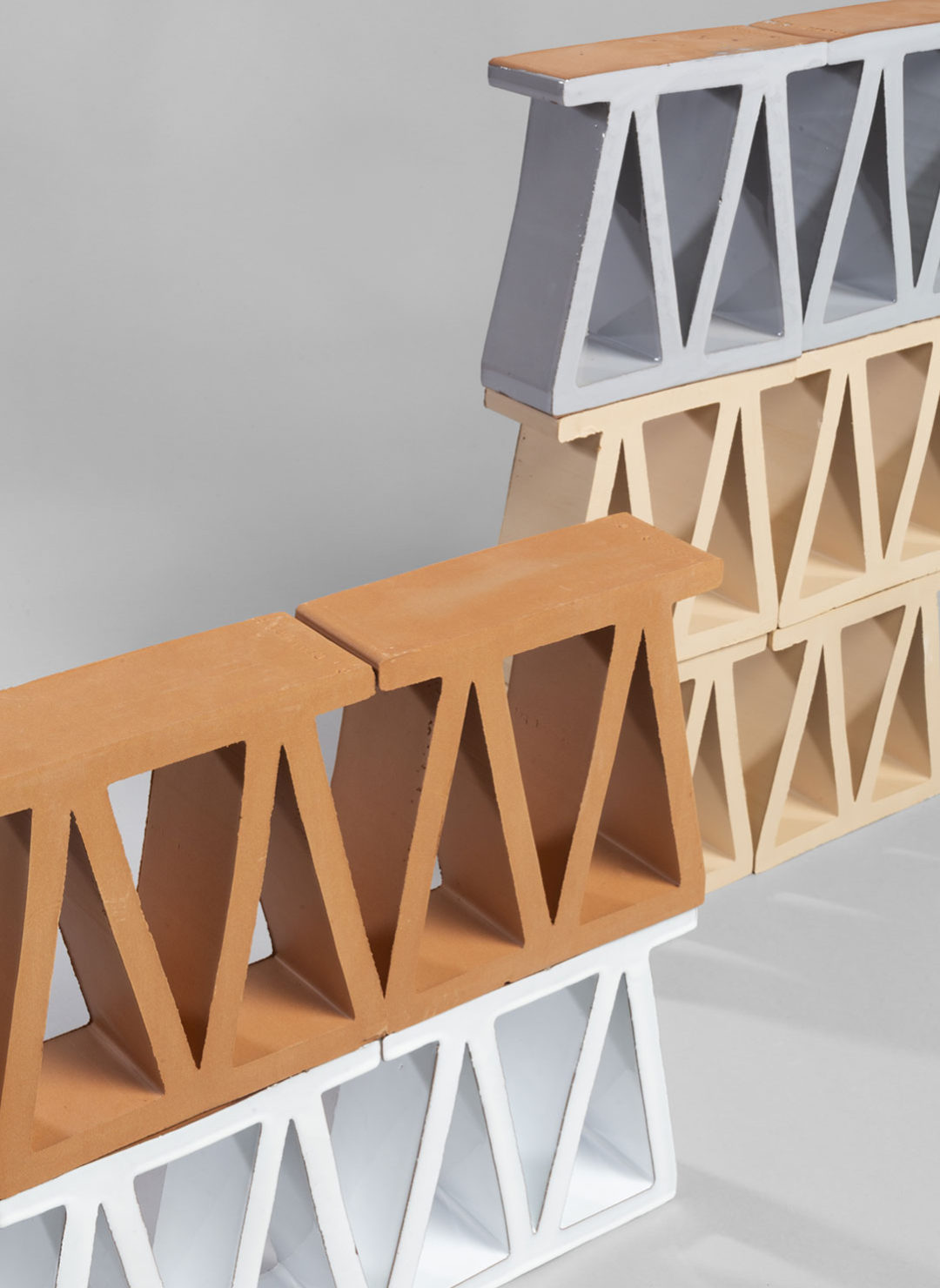
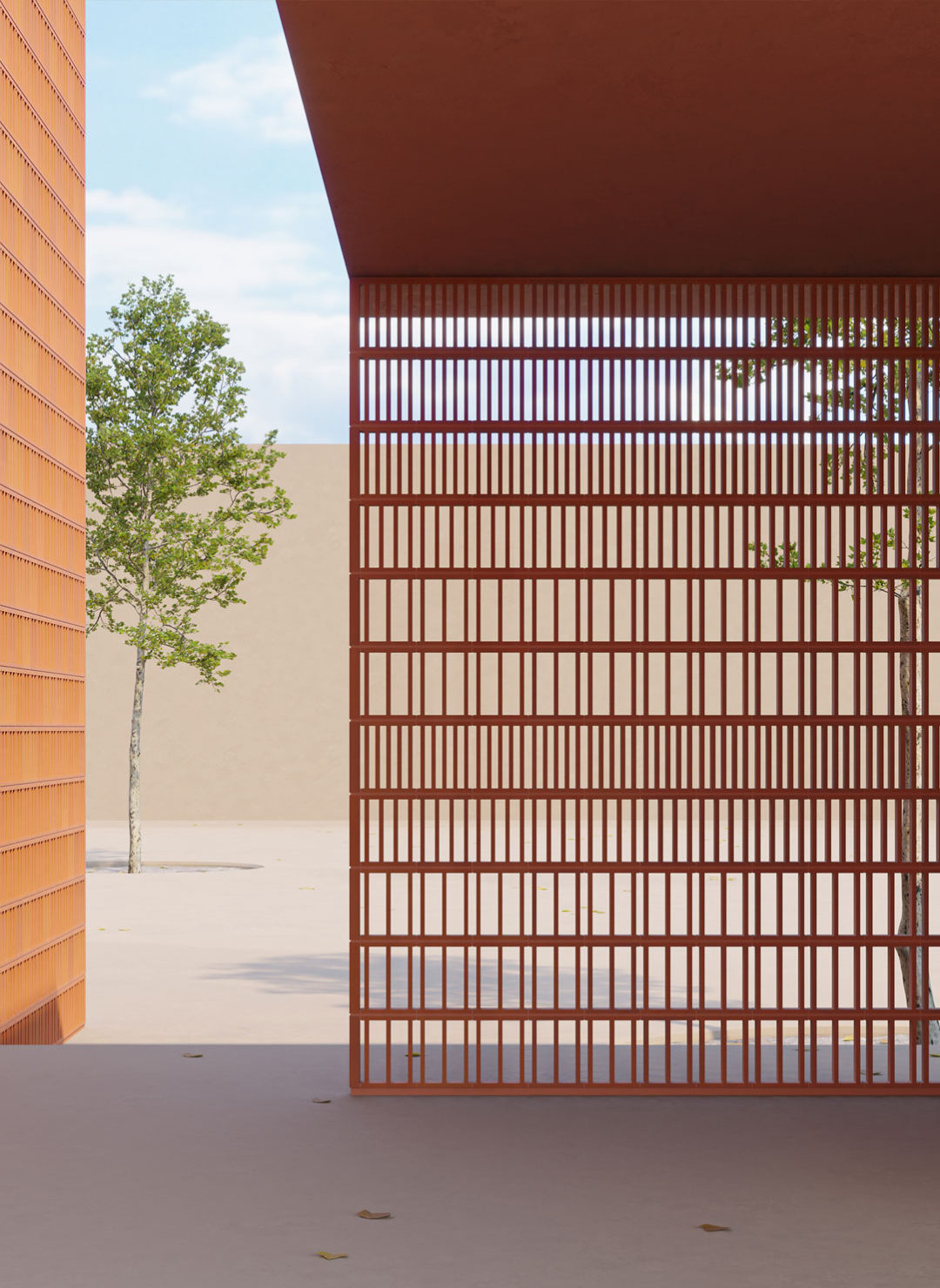
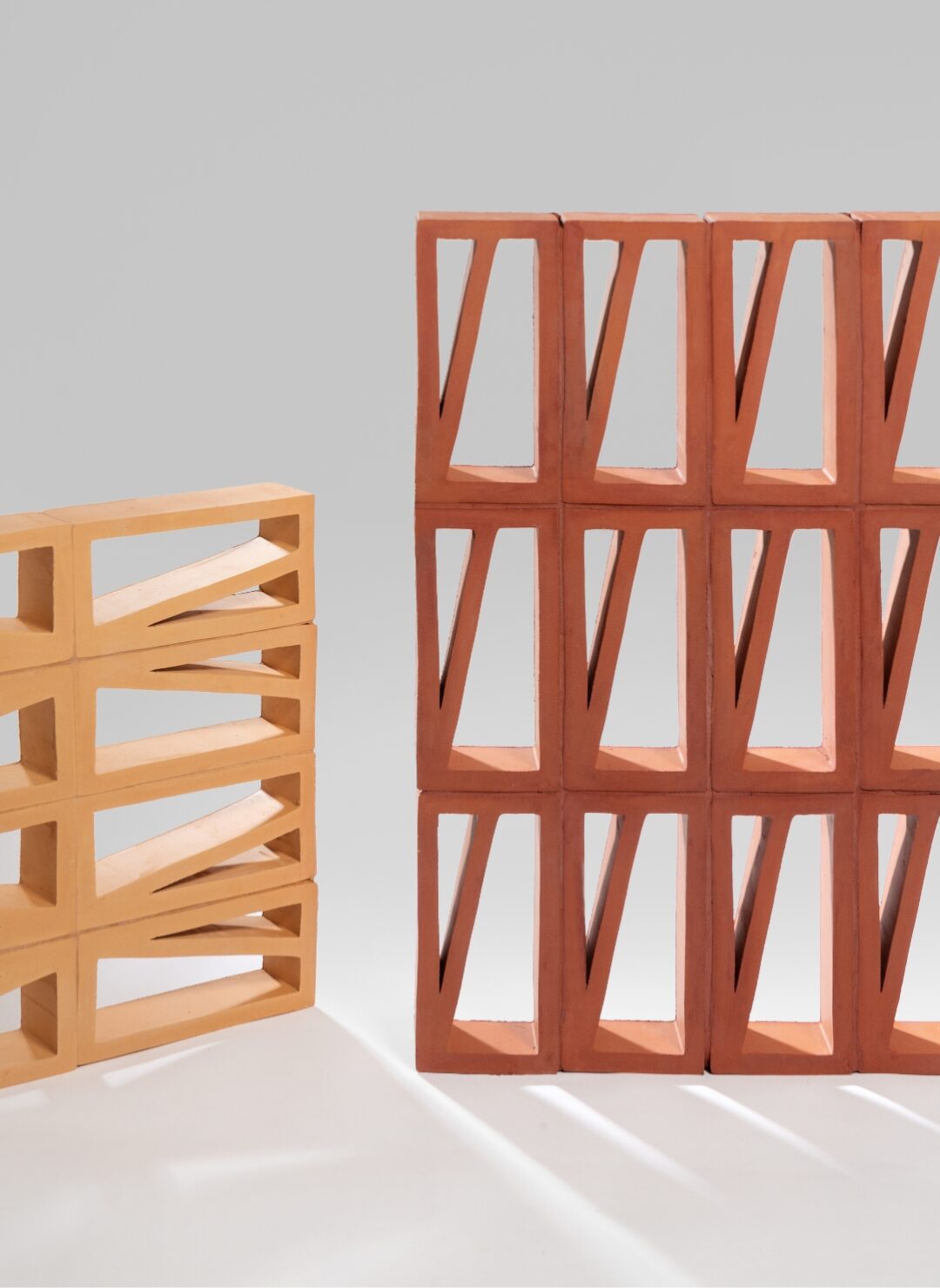
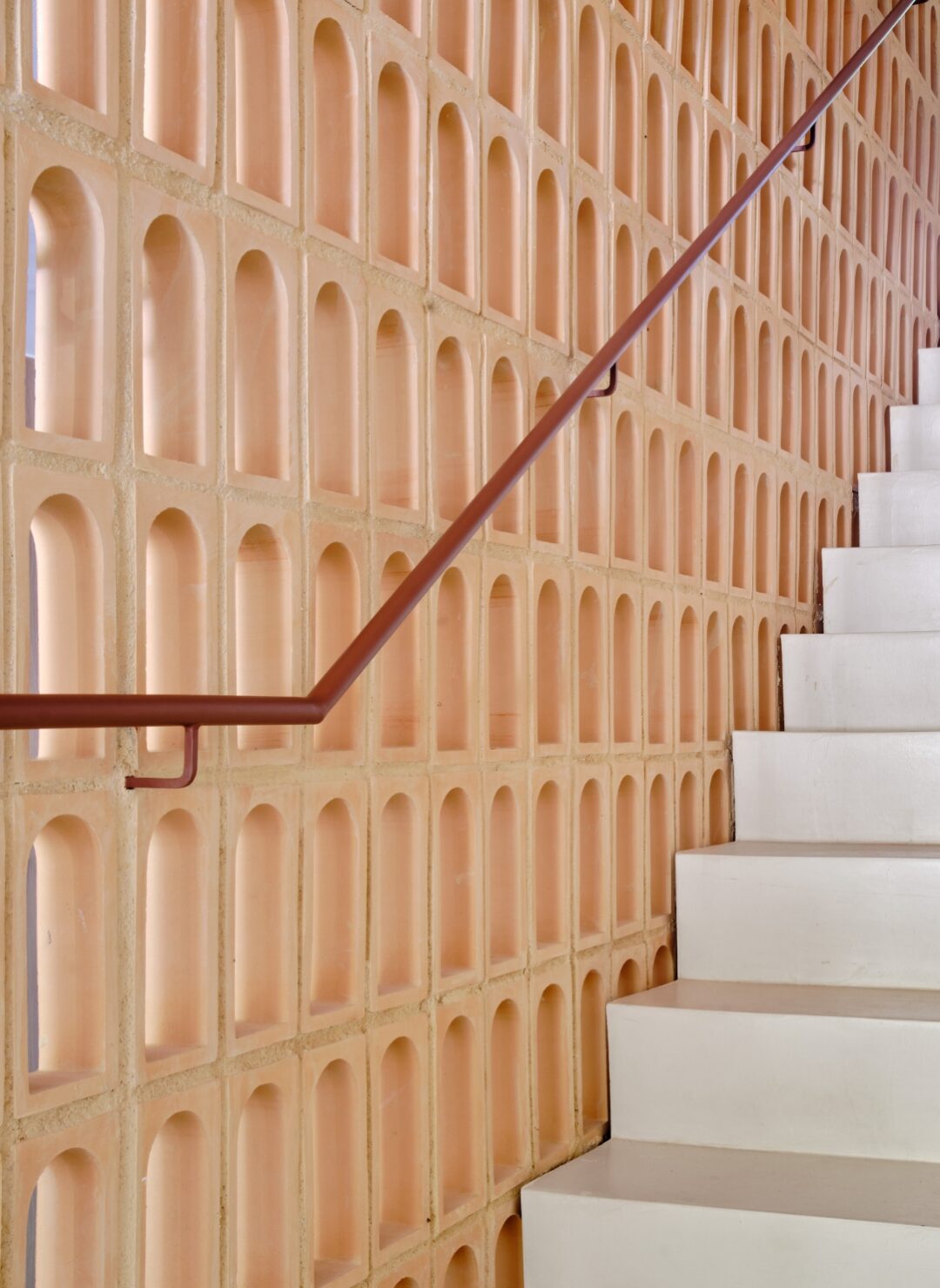
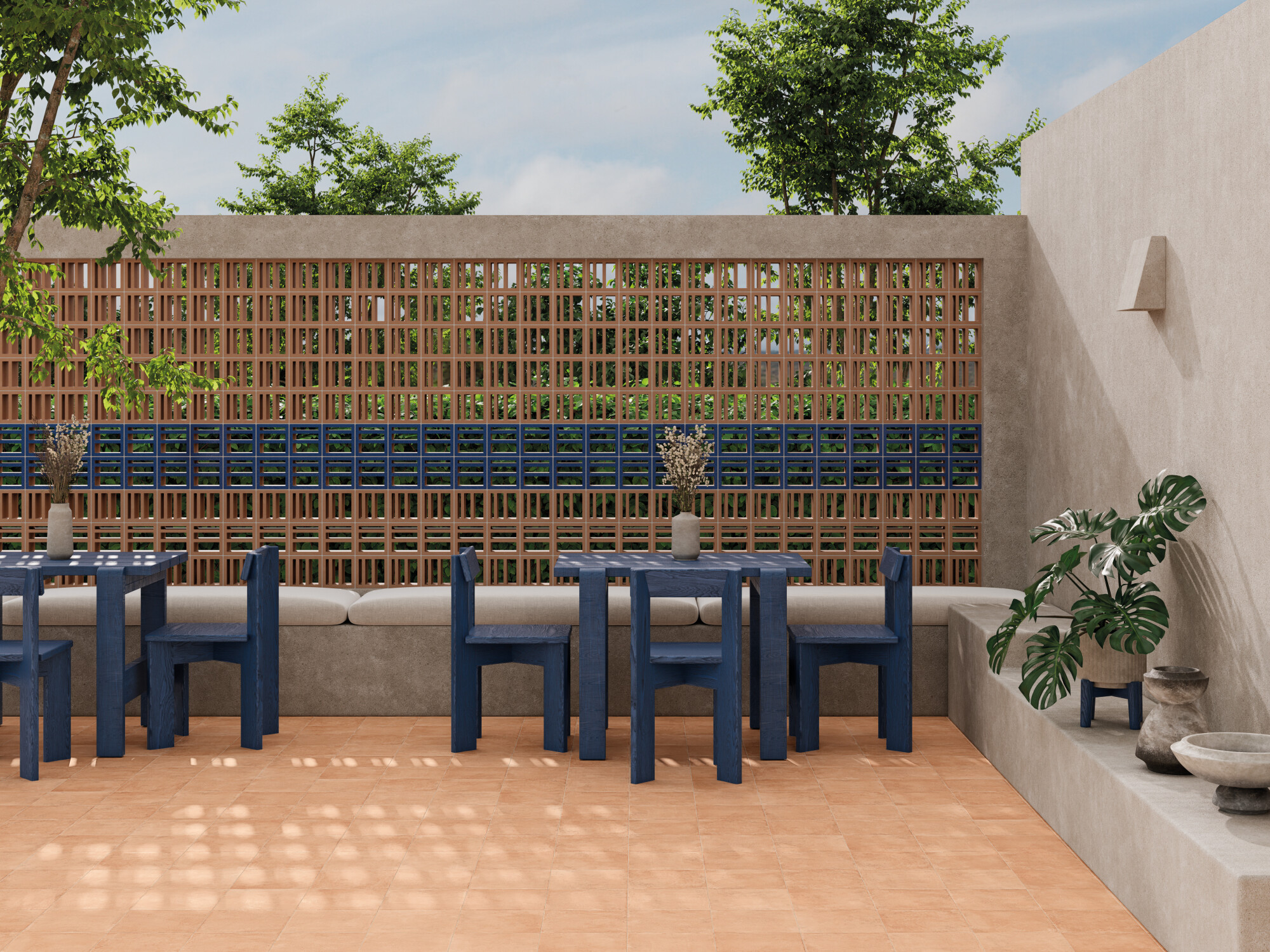
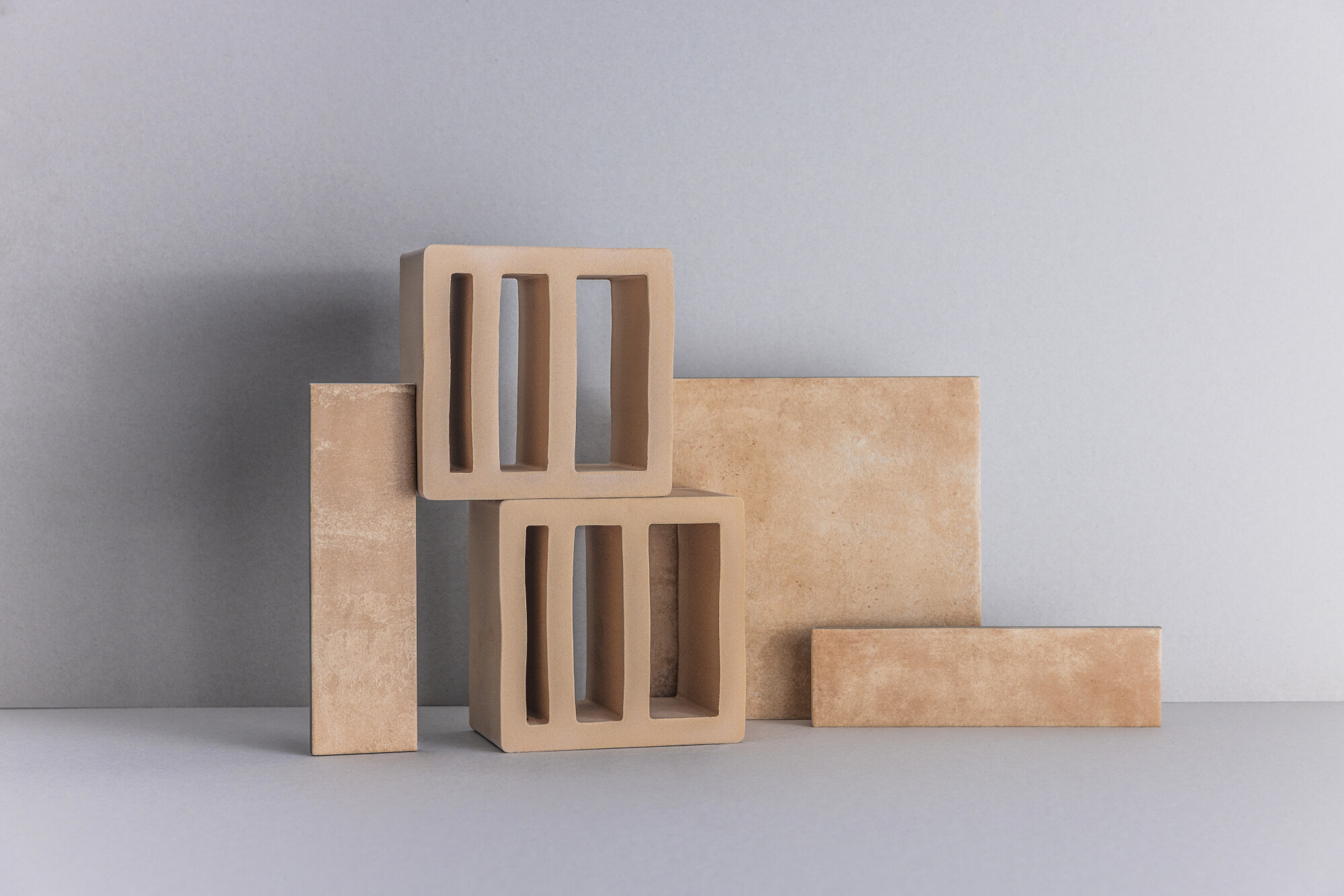
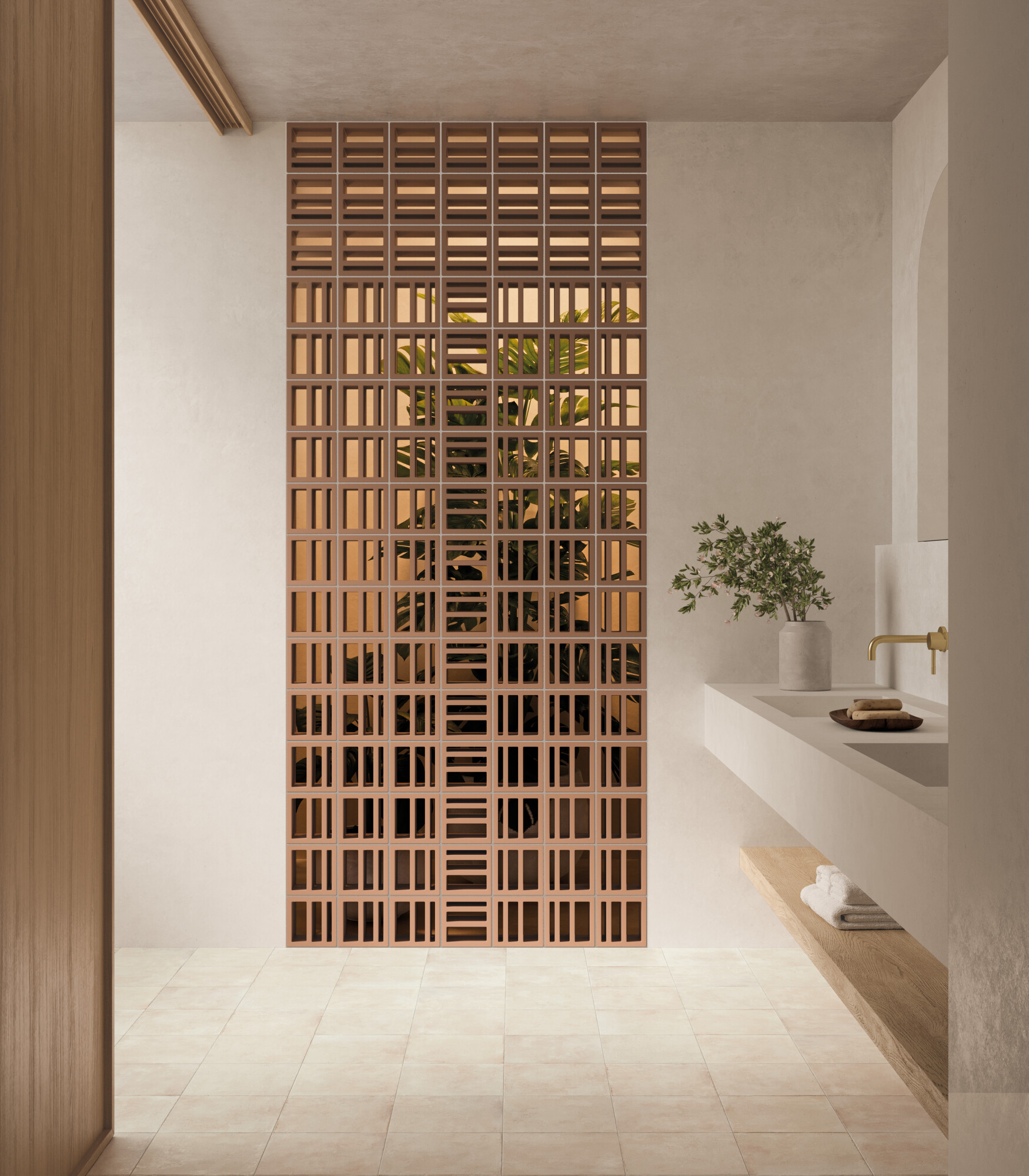
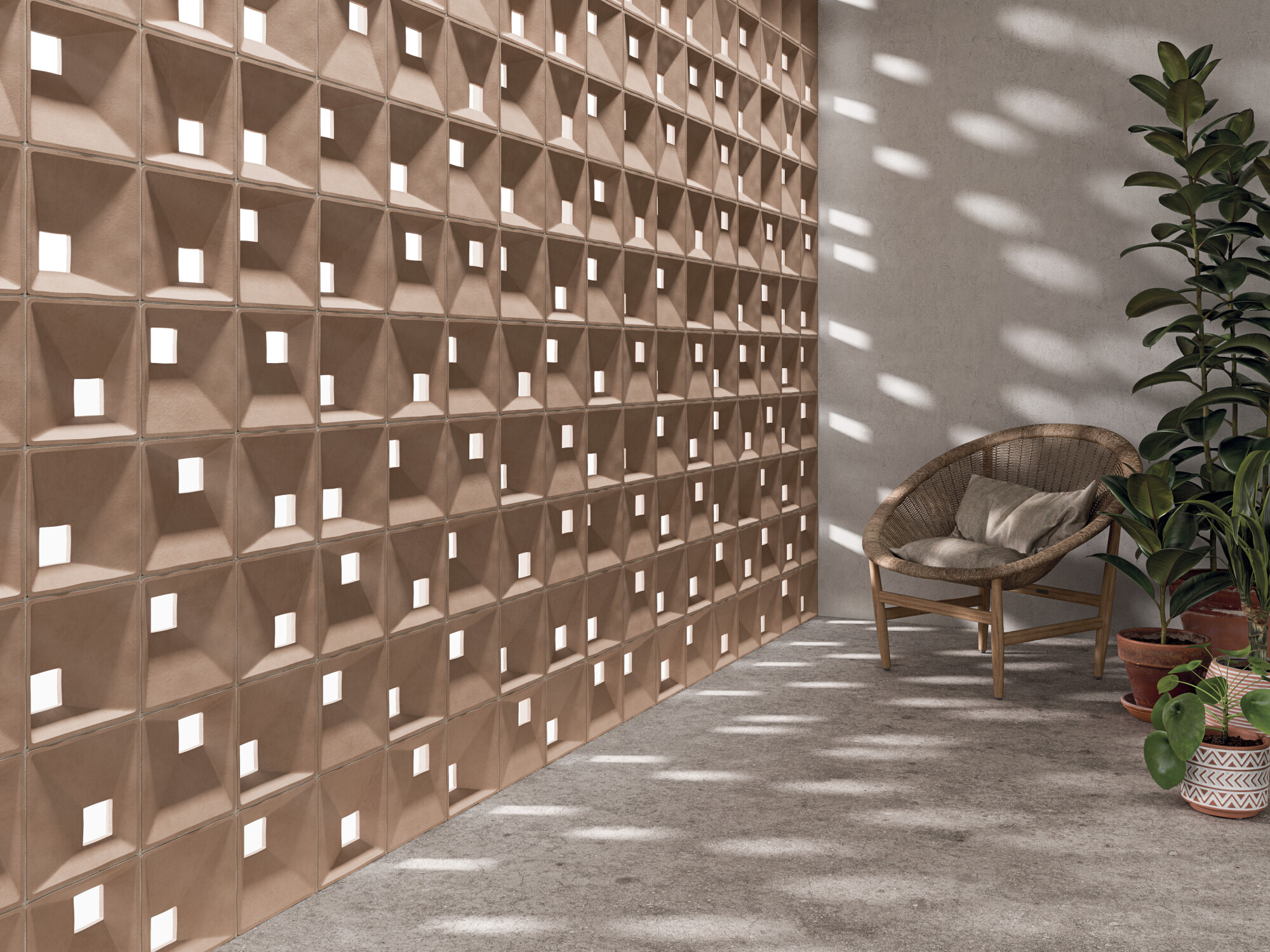
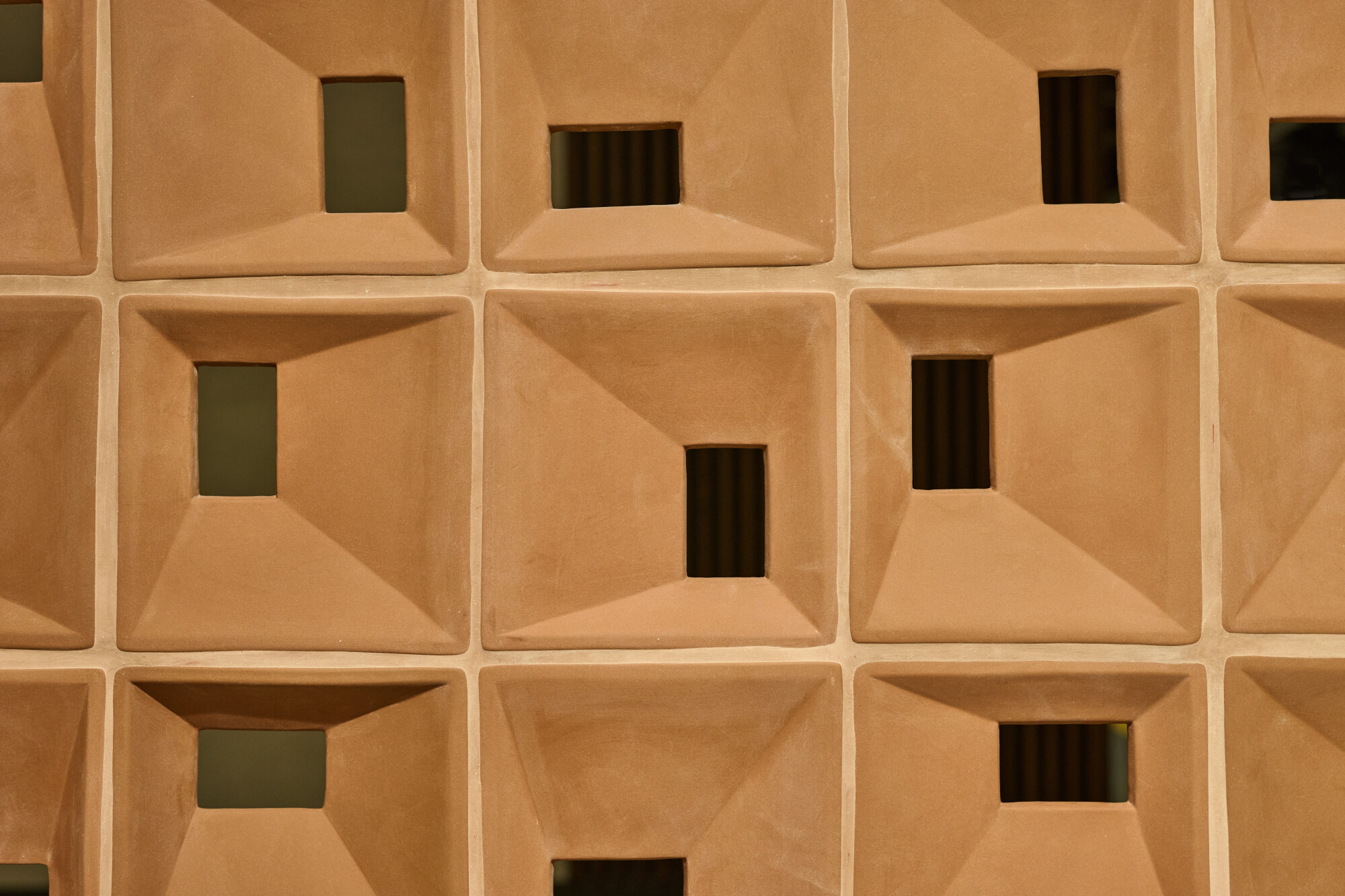
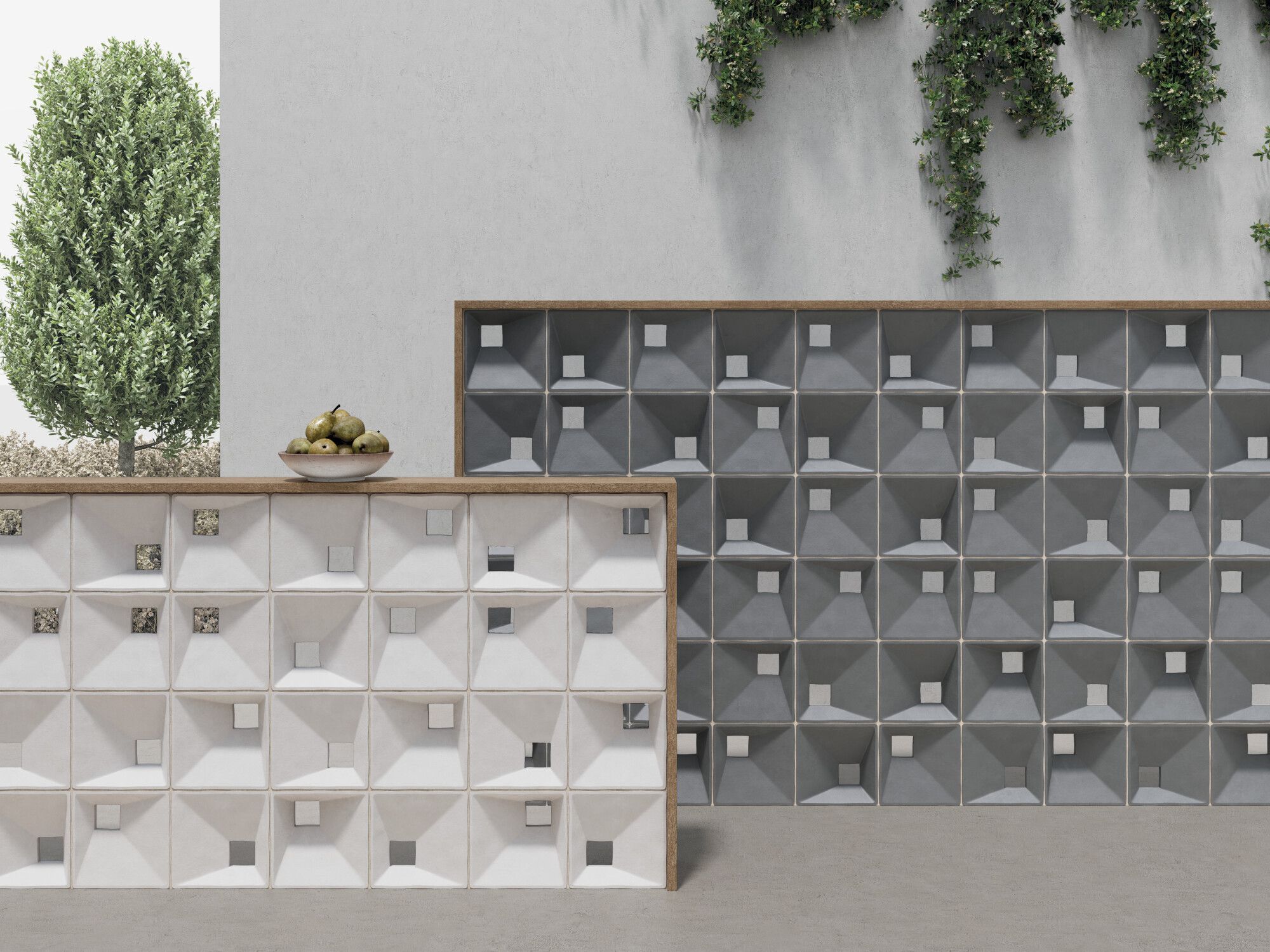
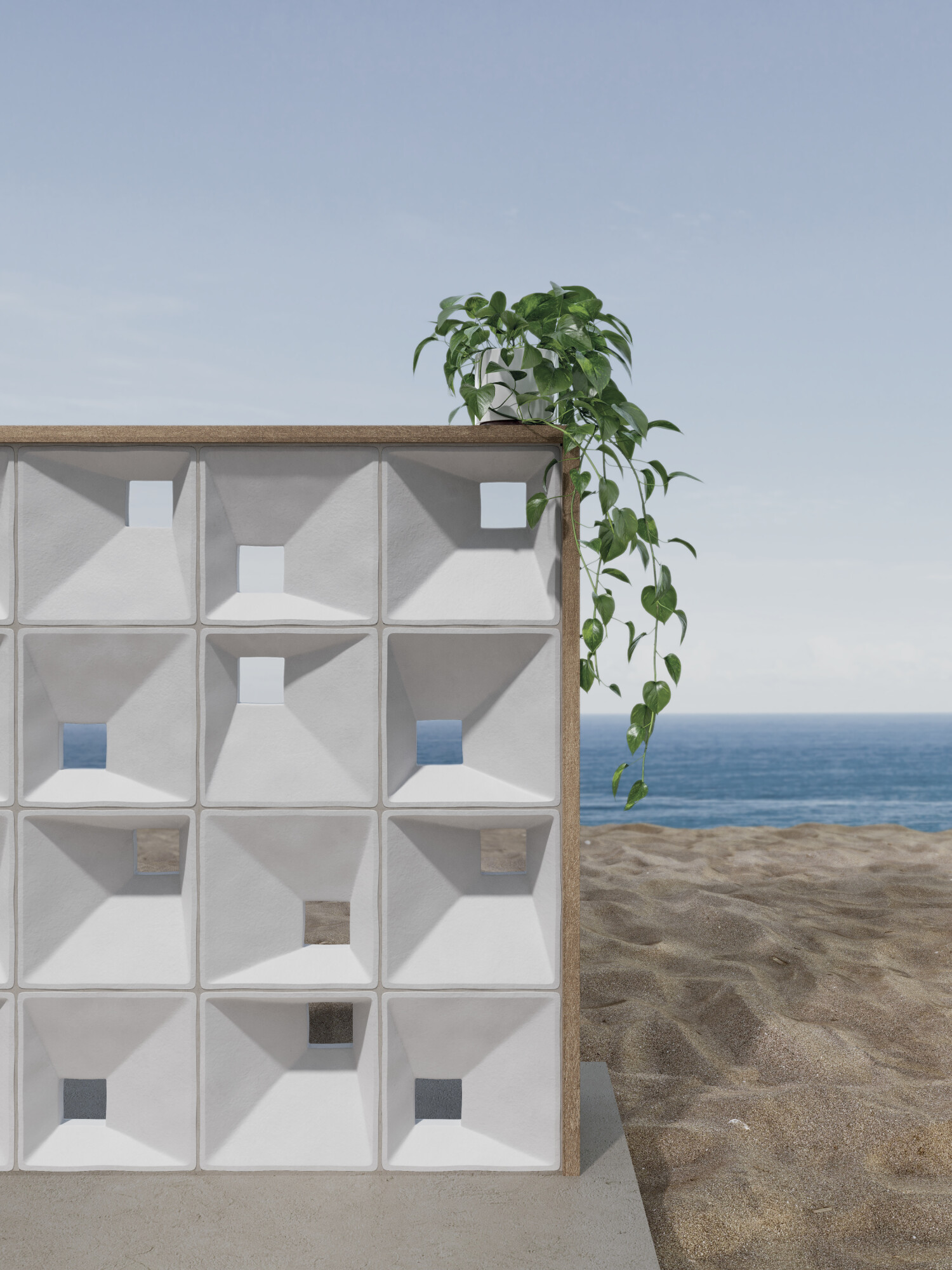
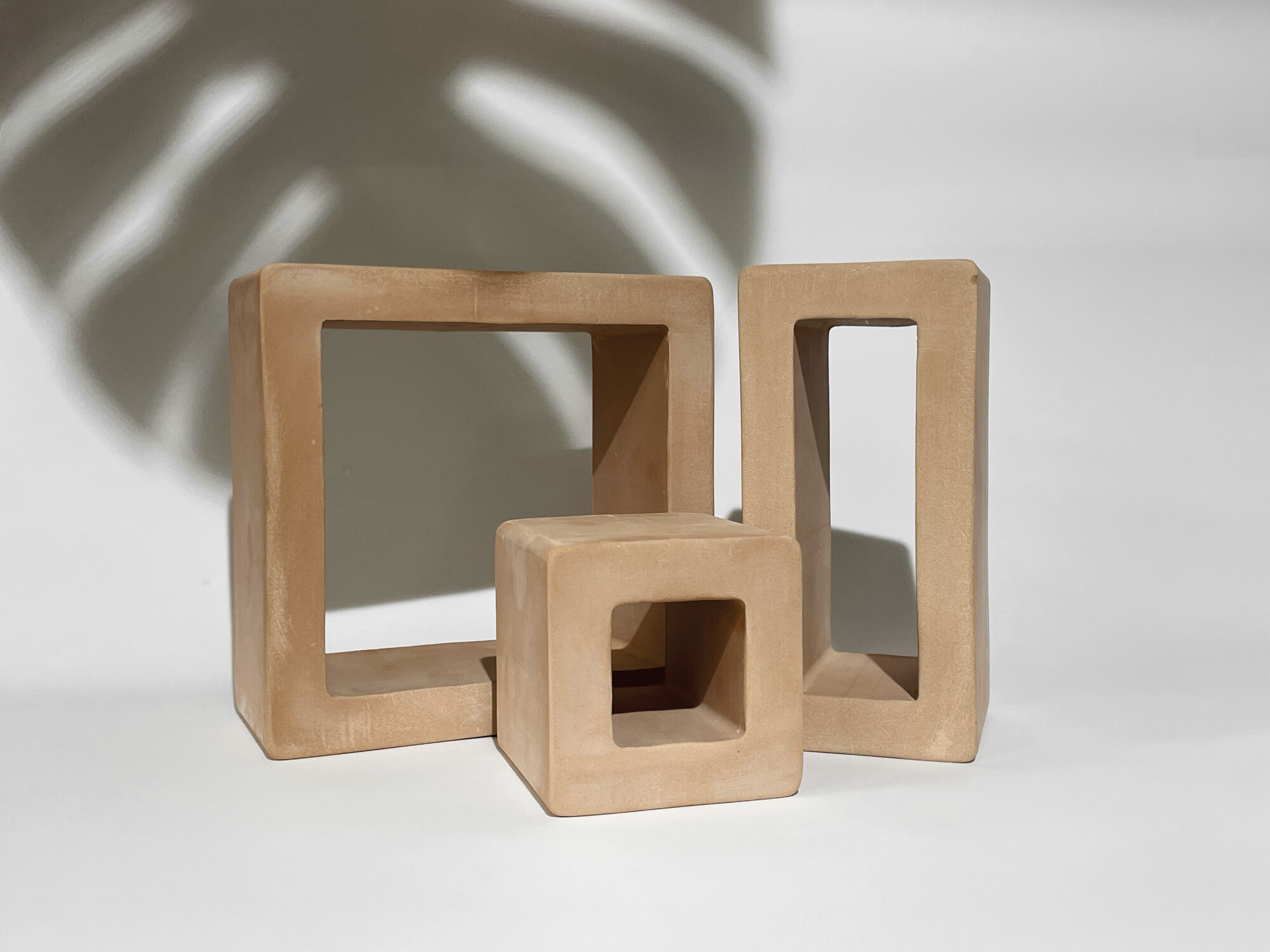
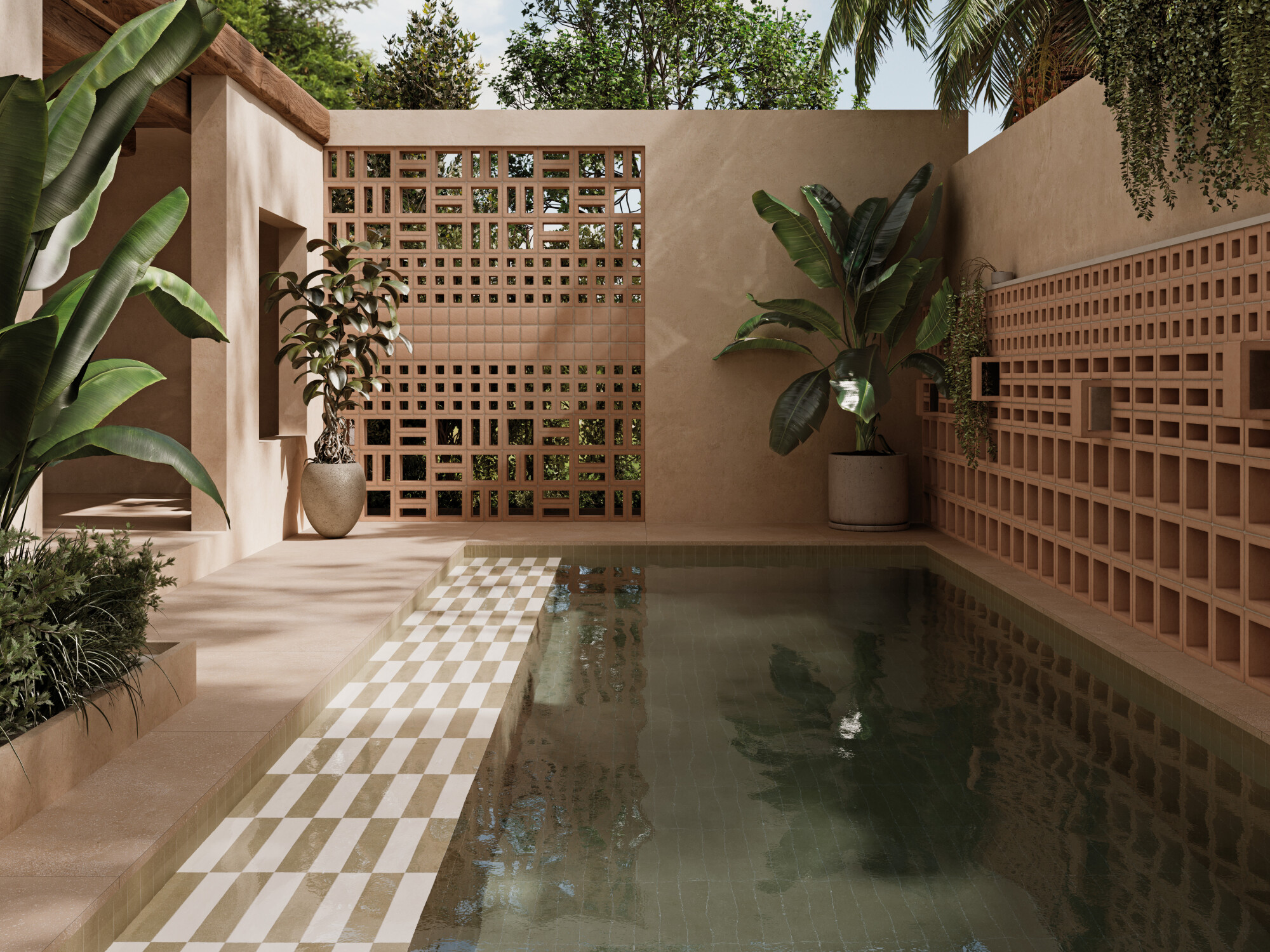
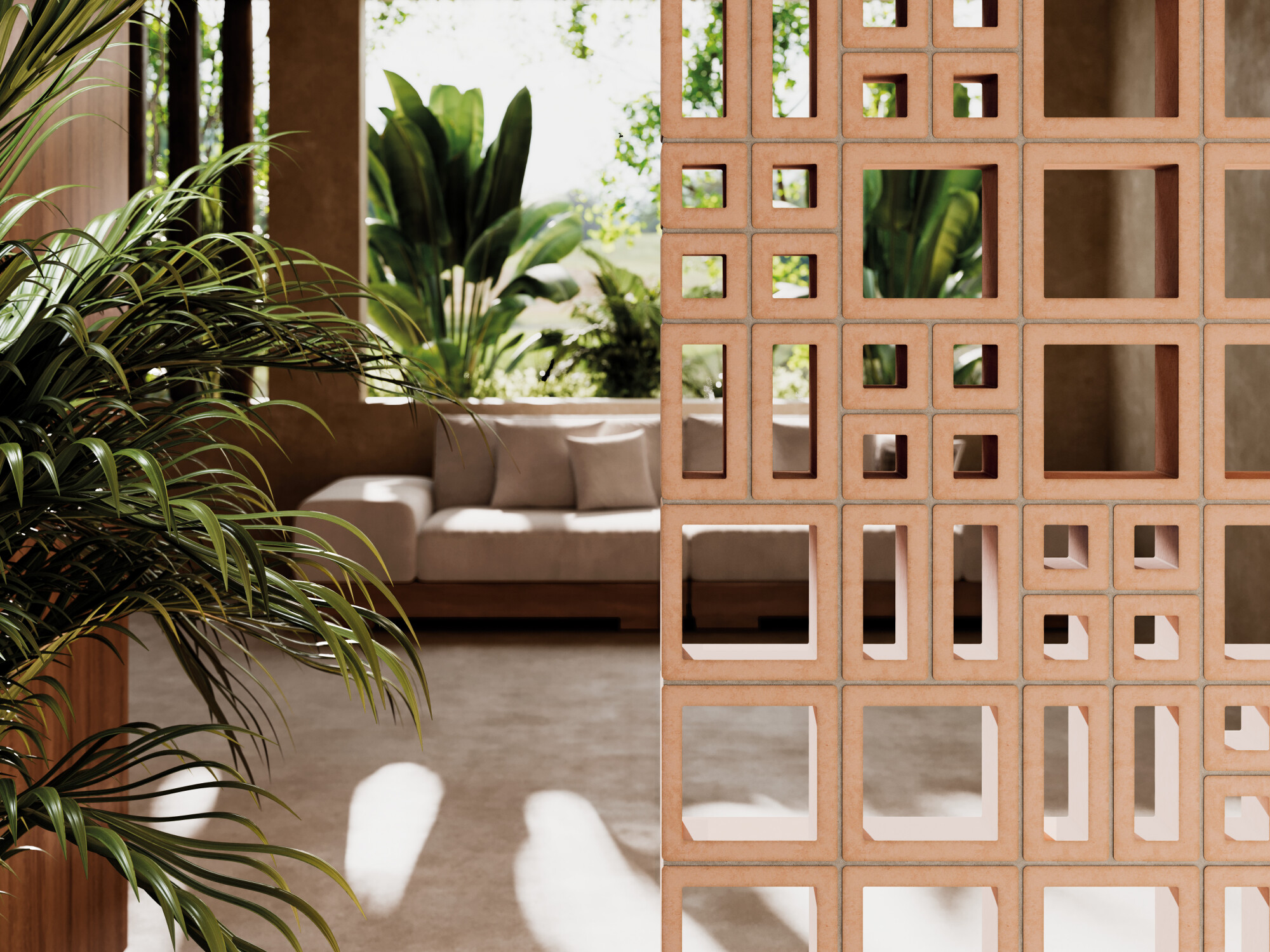
Ceramic latticework is an architectural solution that combines functionality, aesthetics, and tradition. It allows spaces to be defined without being completely enclosed, promoting natural ventilation and the passage of light, while providing privacy and protection from direct sunlight. Its design creates interesting plays of light and shadow, adds texture and depth to facades, and helps reduce heat gain inside buildings. Furthermore, ceramic is a durable, weather-resistant, and easy-to-maintain material, making it particularly suitable for outdoor use.
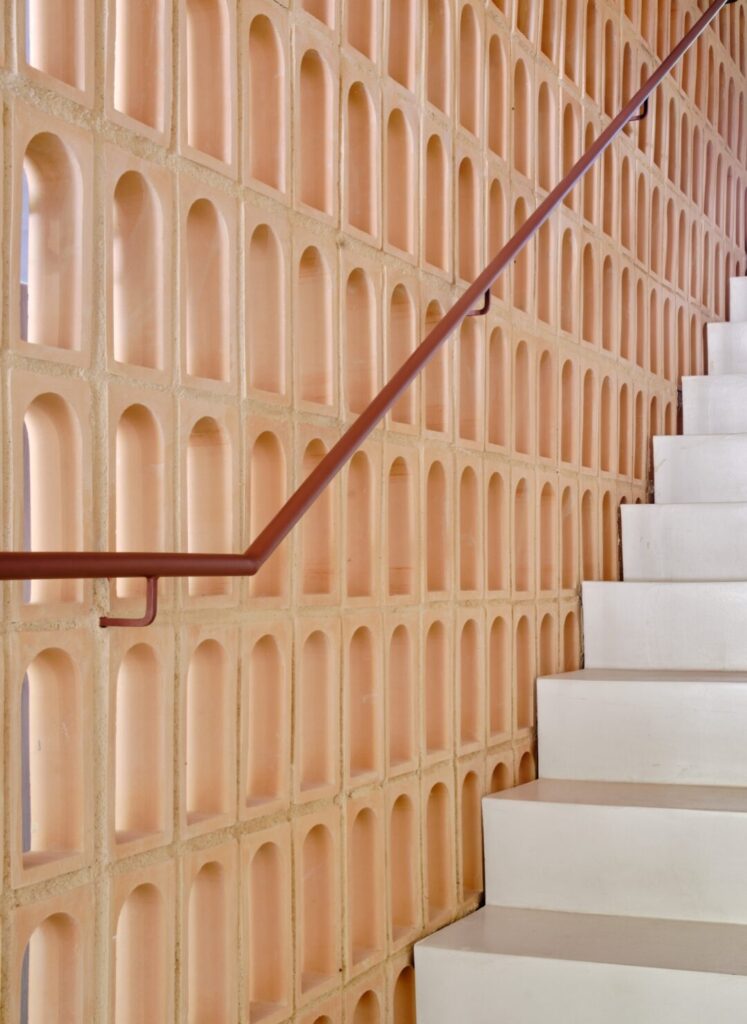
Its application is highly versatile, both in residential architecture and in commercial projects and public spaces. It is used on facades, patios, terraces, balconies, staircases, and exterior walls, as well as to separate interior spaces without losing visual continuity. It can also be used as a decorative element or to conceal installations and service areas. Depending on their design and arrangement, latticework allows for regulating privacy, ventilation, and natural light, becoming a feature that adds architectural character and helps improve the environmental comfort of spaces.
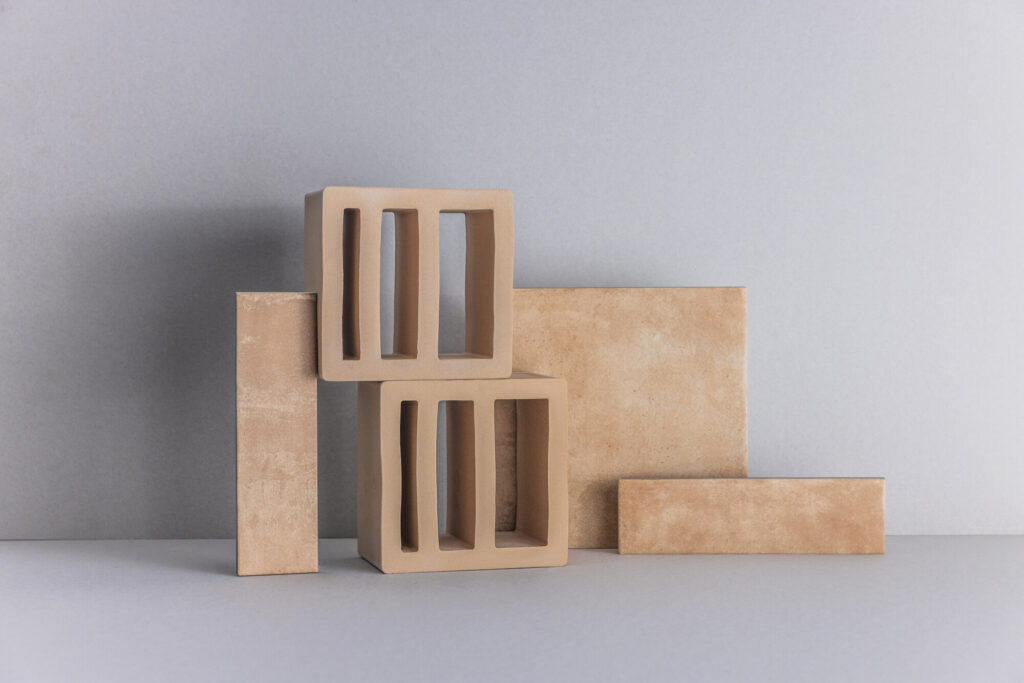
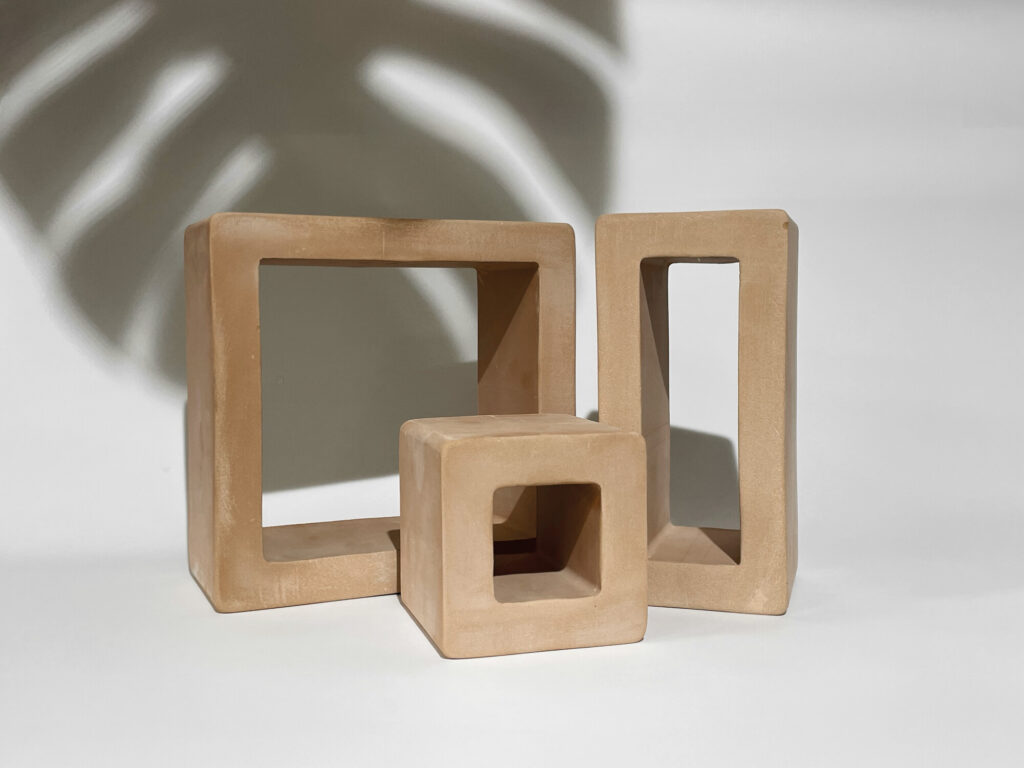
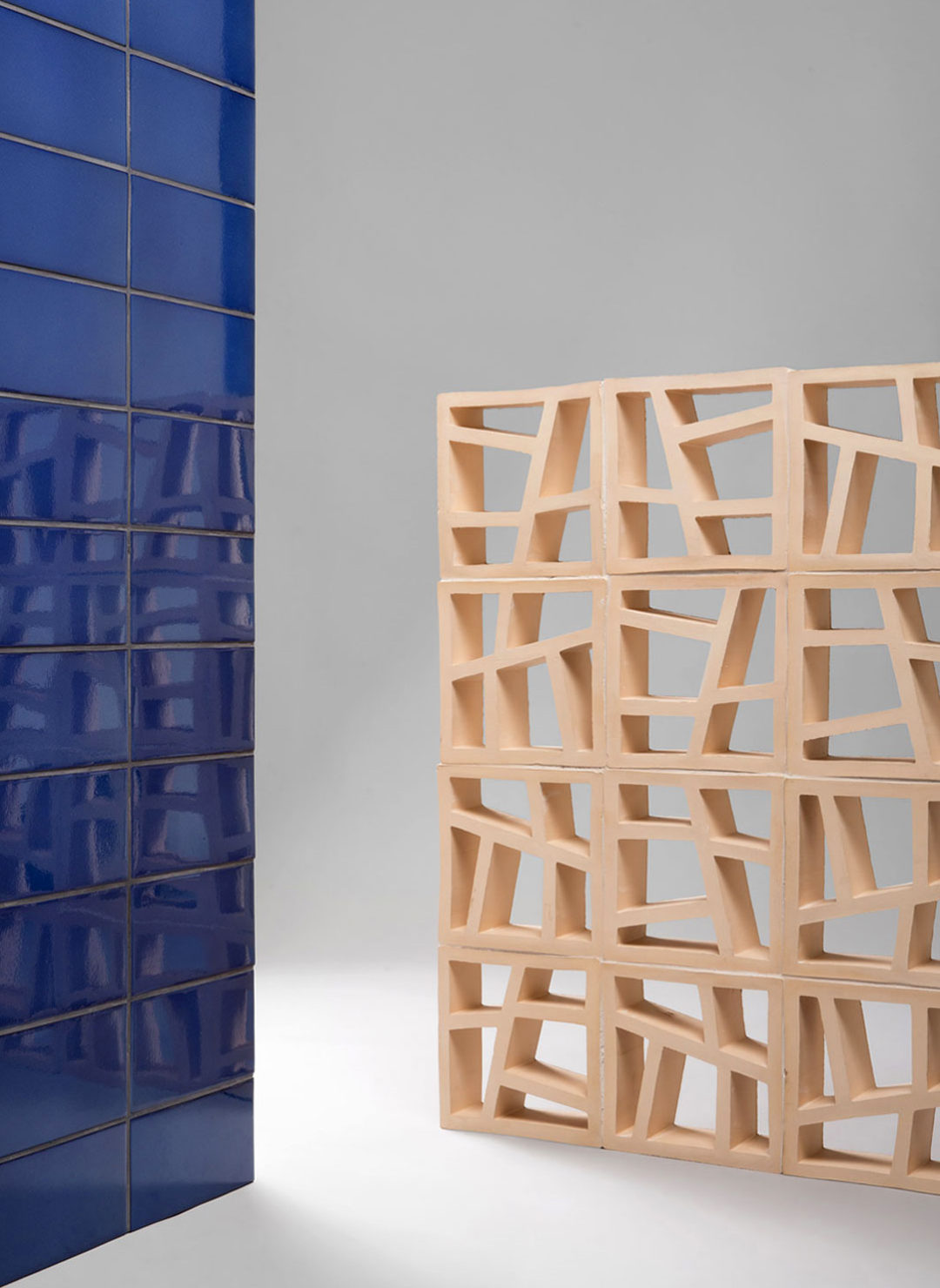
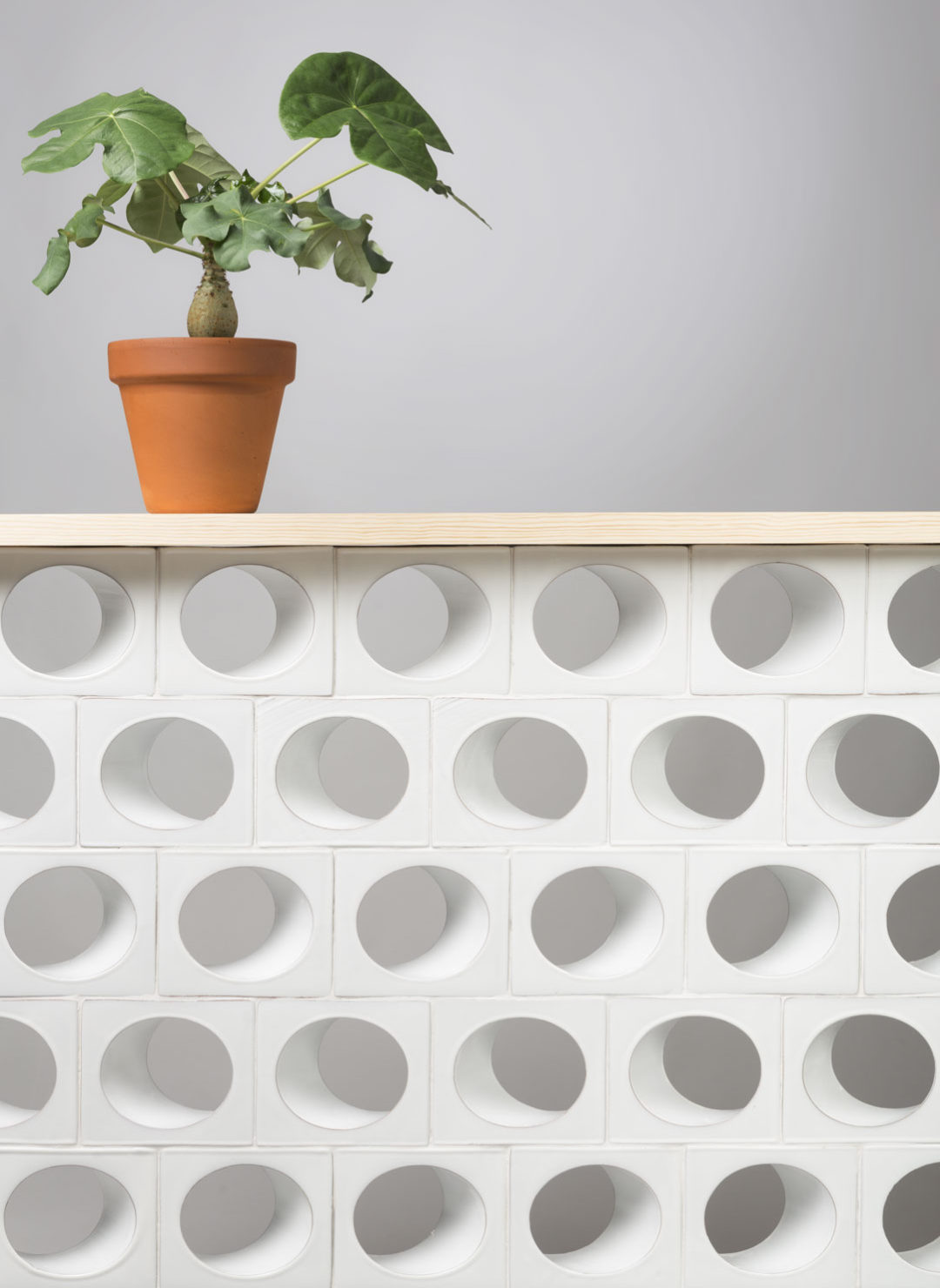
The pieces are primarily made from clay pastes that are molded using extrusion, pressing, or specific molding techniques, according to the desired geometry and finish. In the standard process, the paste is placed in a mold or forced through a nozzle with the required cross-section; then, the pieces are cut, dried, and fired at high temperatures. Some are glazed, which expands the color range and creates glossy or vitreous surfaces.
On this page, we present a selection of models from our preferred manufacturers: Ape Grupo, Durstone, Ferrés and Harmony
In our store, you can view and touch models from different manufacturers until you find the perfect solution for your project.